
Scripting Method Manifestation: Could Writing in Past Tense Shift Your Inner Belief?
The page looks finished before life does.
You write, “I already signed the lease,” or “The offer came through last Friday,” and the sentence almost works. That is the strange pressure point inside scripting method manifestation.
The short answer: writing in past tense doesn’t force an outcome — it pressure-tests the belief, exposing exactly where the desire still sounds borrowed instead of lived.
A past-tense script can feel powerful because it asks the desire to behave like a memory. Not a wish floating somewhere ahead, but a scene with edges, receipts, consequences, and a version of you who has already crossed the threshold. The useful part is not pretending harder. It is noticing the exact line where belief becomes stiff.
The First Domino: When Past Tense Makes the Desire Sound Already Lived
Scripting method manifestation usually begins with a simple move: you write the desired event as if it has already happened. Instead of “I want the job,” the page says, “I got the job.”
That shift matters.
Past tense changes the emotional shape of the sentence. A desire in the future can stay vague for a long time. A desire in the past has to answer for itself. Where did it happen? What changed afterward? Which ordinary detail proves the scene did not remain a fantasy?
This is where scripting method manifestation becomes more interesting than a pretty paragraph. The past tense acts like a small interrogation. It asks the desire to become specific enough to leave a trace.
That does not mean the sentence controls reality. It means the sentence can reveal how believable the desire feels when it is forced into completed language.
Unlike the 369 method, where repetition itself becomes part of the ritual, scripting depends on narrative pressure. The line has to carry a before and after.
A useful source here is Lien B. Pham and Shelley E. Taylor’s 1999 study on process-versus outcome-based mental simulations. Their research did not study manifestation. It compared different forms of mental simulation and found that imagining the process of doing well could affect planning differently from imagining only the outcome.
That distinction is important for scripting method manifestation. A script that only celebrates the outcome may feel exciting, but thin. A script that includes evidence of how life moved around the outcome often feels more grounded.
In this framing, scripting method manifestation is not the wish; it is the pressure test of the wish.
The first domino is not belief becoming perfect. It is language becoming less able to hide what is missing.

The Friction Inside the Sentence
Friction is the moment the page stops sounding like a lived event and starts sounding like a performance.
It may appear in one glossy phrase. “Everything is perfect now.” “I feel unlimited.” “I never doubt myself anymore.” These lines may look spiritual, but they often erase the human texture that makes a script believable.
A completed event usually leaves residue. A new job changes the morning routine. A healed conflict changes the next conversation. A new apartment changes the sound of the key in the lock.
Scripting method manifestation becomes sharper when the sentence includes that residue. The best scripting method manifestation scenes have a material aftertaste.
The Receipt Scene
The receipt scene is the detail that proves the script has entered a world with consequences.
Think of it as the smallest believable evidence inside the scene. Not a dramatic miracle. Not a cinematic glow. A receipt.
For a dream apartment, the receipt scene might be the first grocery bag placed on the new kitchen counter. For a new relationship, it might be the ordinary text sent after the first honest conversation. For money, it might be opening the banking app and noticing that the payment no longer creates panic.
The receipt scene matters because it resists generic fantasy. It forces scripting method manifestation to move from “I got what I wanted” into “life now behaves differently in this exact way.”
That is why a receipt scene cannot be borrowed easily. It has to match the desire, the person, and the aftermath.
When the Script Sounds Borrowed
A borrowed script usually has beautiful language and no fingerprints. Borrowed language is common in scripting method manifestation because the internet teaches the sound of certainty before it teaches personal evidence.
It may sound like captions, templates, or phrases that feel impressive but strangely impersonal. The page says abundance, alignment, certainty, or magic, but it does not show the small evidence of a changed life.
This is where scripting can brush against the same question raised by the law of assumption. If a belief is assumed, the writing should eventually sound less like convincing and more like inhabiting.
Not louder. More specific.
If the script says, “I am so happy and grateful now that everything worked out,” the line may need a receipt. What worked out? What is different at 8:20 a.m.? Which object, message, route, or decision proves the scene belongs to you?
The friction inside the sentence is not a failure. It is information.
When Scripting Becomes Performance Instead of Belief
Performance begins when the page tries to sound certain before the inner picture has become coherent.
This can happen quietly. The script gets more polished, more dramatic, more spiritually fluent. But underneath, the desire remains untouched by consequence. Nothing in the scene has weight.
A performance script often has three signs. The emotion is too clean. The outcome is isolated from daily life. The language seems designed to impress an invisible audience.
Scripting method manifestation loses depth when the page becomes a stage. The writer performs belief instead of examining where belief is still split.
This is where scripting method manifestation should slow down.
The difference is subtle.
A believable script can include uncertainty around the edges. It can admit that receiving the thing would change routines, relationships, identity, or responsibility. A performance script jumps straight into victory and leaves no room for the cost of becoming someone who actually has it.
That cost is not negative. It is part of the evidence.
If the script says, “I finally have the career I wanted,” the real question is not only how good that feels. It is what gets rearranged. Does the calendar change? Does the old excuse disappear? Does the new role require a different boundary?
This is also where manifestation pressure can enter the page. The script may sound certain, but the pressure behind it can make every sentence feel like a demand.
A page written from pressure often has a deadline hidden inside it, even when no date appears. It feels like the script must work quickly or the desire will collapse.
That urgency can flatten the practice. The writing stops revealing belief and starts negotiating with fear.
Scripting method manifestation works best as a mirror for language. If the page keeps shouting certainty, the most honest part may be the sentence that sounds forced.
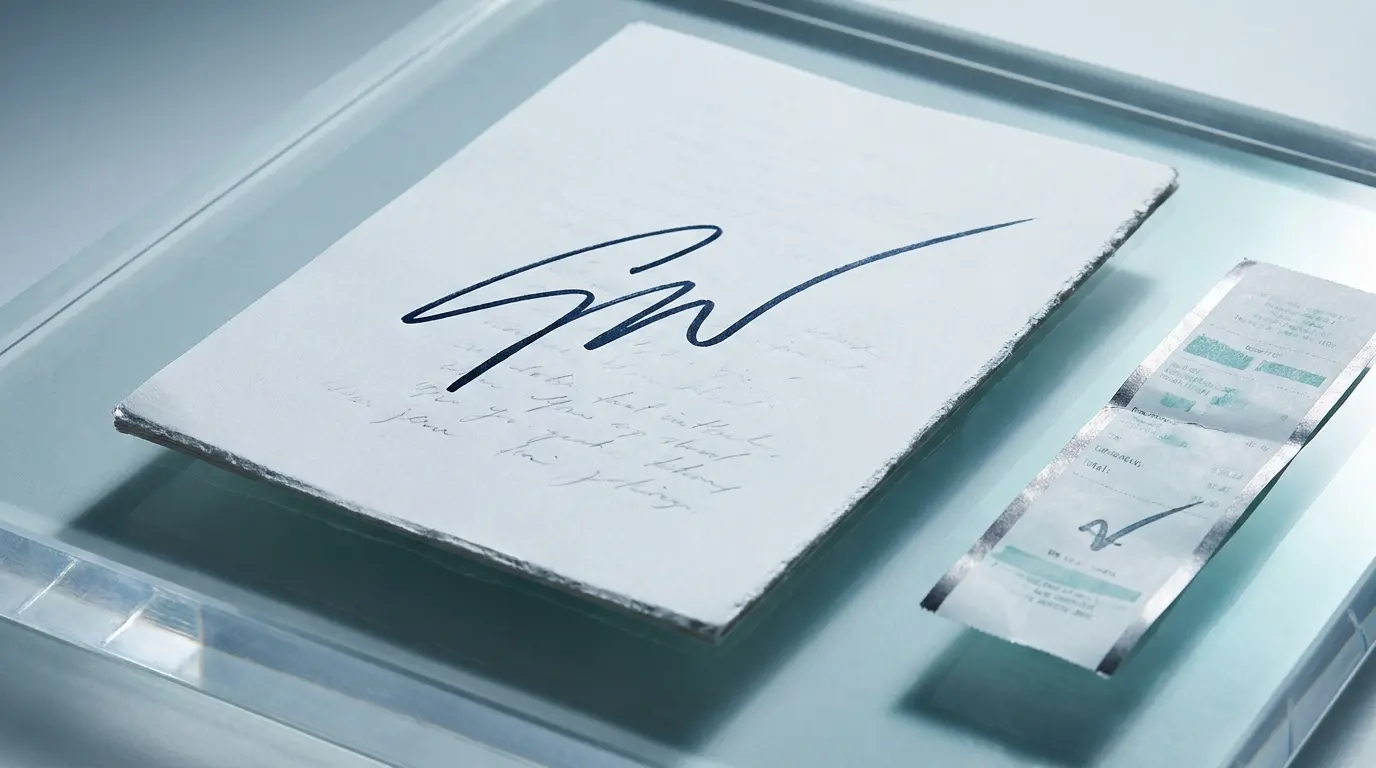
The Friction Map: How to Adjust the Script Without Forcing the Outcome
The Friction Map is a way to read the script after it is written. It is not a ritual. It is a close look at the places where the language exposes a gap.
Do not begin with the prettiest sentence. Begin with the sentence that sounds fake.
That line is usually the entrance.
Look for four kinds of friction on the scripting page:
- The sentence that feels too perfect to belong to your real life.
- The missing receipt detail that would make the outcome feel lived.
- The consequence gap where nothing changes after the desire arrives.
- The identity mismatch between the person writing and the person receiving.
Each one points to a different adjustment.
If the sentence feels too perfect, make it less polished. “I am completely confident now” may become “I noticed I answered the email without shrinking the request.” That is less glamorous, but more evidential.
If the receipt detail is missing, add one concrete aftermath. The first invoice paid. The new name on the mailbox. The awkward but honest message sent after the relationship shifts.
If the consequence gap appears, ask what the desire changes besides emotion. A fulfilled desire usually touches time, space, behavior, or responsibility. If nothing changes except the mood of the paragraph, the scene may still be floating.
If there is an identity mismatch, do not force a grand declaration. Adjust the line until the receiving self sounds possible. Scripting method manifestation becomes stronger when the page lets belief grow through evidence instead of pressure.
A grounded scripting method manifestation page makes the claimed future answerable to ordinary evidence.
The point is not to make the script smaller. It is to make it inhabitable.
A script that says “I became successful” may feel distant. A script that says “I sent the proposal with the price I used to delete” creates a different kind of pressure. It gives the belief a hinge.
That hinge is where the method becomes useful.
The Line That Still Sounds Unwritten
Scripting method manifestation does not need to sound magical to mean something.
Past tense is useful because it reveals the gap between a desired ending and the language that can honestly hold it. Present tense can work too, but it creates a different feeling. It places the desire beside the current self. Past tense places it behind the current self and asks what evidence got left behind.
If the script sounds false, that does not automatically mean the desire is wrong. It may mean the scene is missing a receipt. It may mean the sentence was borrowed. It may mean the page jumped to the outcome without building the bridge.
Repeating the same script can help only if the language becomes clearer. Repetition without revision can turn a stiff sentence into a costume.
Does scripting method manifestation “work”? That depends on what the word work is expected to carry. As a symbolic practice, it may help clarify desire. As a mental rehearsal, it may reveal what feels plausible, performative, or unclaimed. As a promise that writing alone must produce an external event, it becomes too absolute.
The most useful line is rarely the most beautiful one.
Return to the sentence that still sounds unwritten. Replace the performance with one receipt from the life the script claims already happened.
Then read it once.
If it sounds less impressive but more real, the page has finally started telling the truth.
This article is symbolic, reflective, and informational. It does not offer medical, psychological, financial, or spiritual certainty, and it should not be used as a substitute for professional guidance or real-world decision-making.



Alex Turner
Alex Turner is the author behind Signs of Universe, a website focused on dreams, spiritual meanings, and symbolic signs. His approach combines research and intuitive interpretation to help readers understand the subtle messages that appear in everyday life.