🧿 Spiritual Symbols
Meanings of abstract and cultural symbols — circles, spirals, the evil eye, infinity, and more — explored as reflective, symbolic signs rather than fixed predictions.
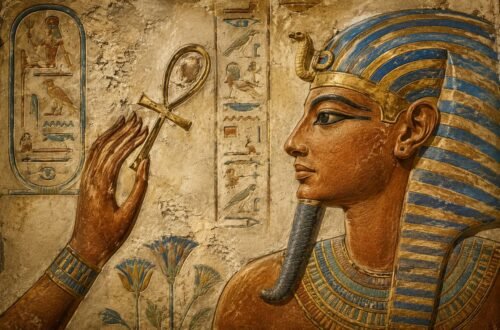
Ankh Meaning in Ancient Egypt: What Museum Objects Actually Show
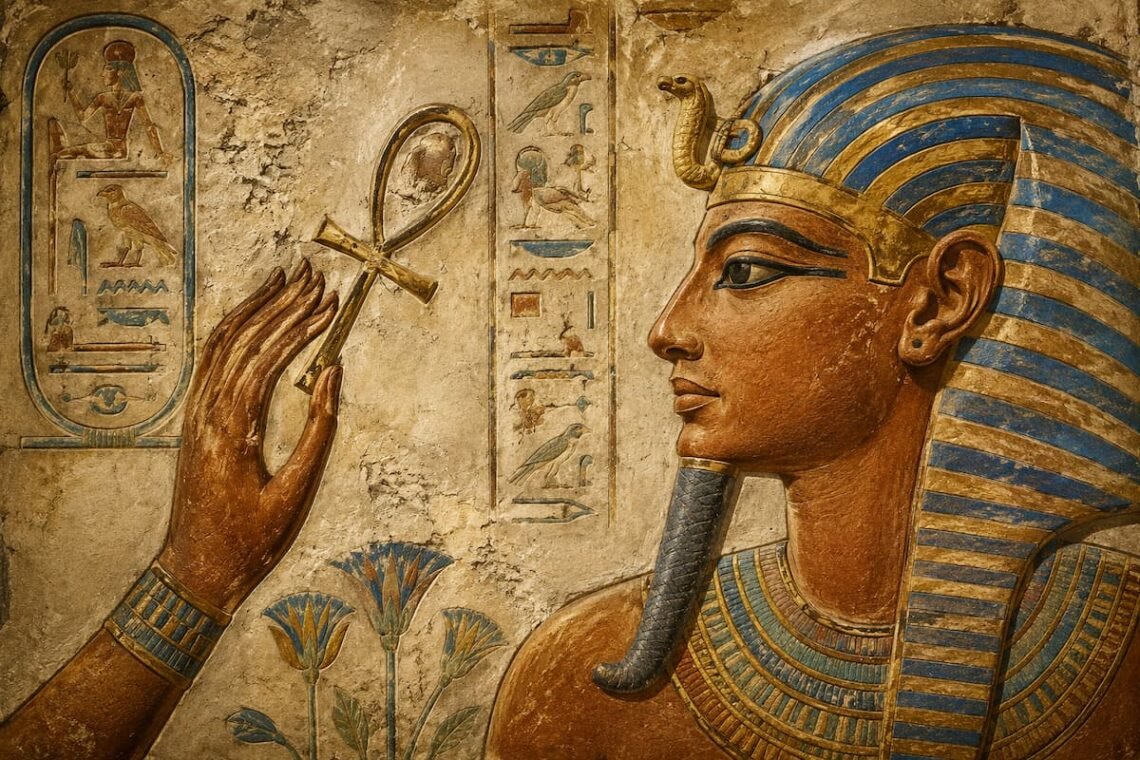
The ankh meaning in ancient Egypt is unusually well documented. The sign could write “live,” “alive,” or “life,” and it also became a broader symbol of life. What surviving museum objects add is context: the ankh could be carved into a ritual vessel, offered by a god to a king, made into a freestanding object, incorporated into a cosmetic spoon, placed on an amulet, or combined with other hieroglyphs. The central meaning remains remarkably consistent. What changes is the way that idea of life is expressed through different objects, settings, and functions. Ankh Meaning: The Short Answer Is “Life” The safest historical starting point is linguistic rather than mystical. In…
Labyrinth Symbol Meaning: History, Myth, and Modern Symbolism
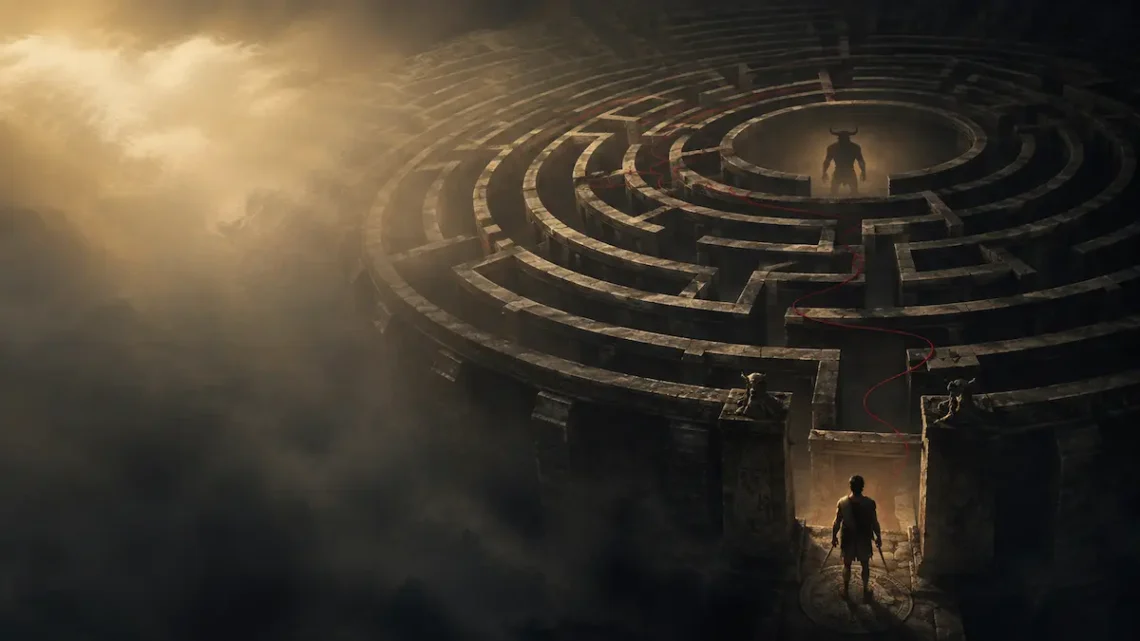
Labyrinth symbol meaning is commonly understood today through the idea of a journey toward a center and a return from it. In modern spiritual practice, that journey may be interpreted as reflection, release, insight, renewal, or transformation. But those meanings are not a single ancient definition passed down unchanged from Knossos. The symbol has accumulated different layers over time: Greek myth, civic imagery, medieval Christian architecture, and contemporary contemplative practice. That distinction matters. A Bronze Age palace at Knossos, a labyrinth drawn on a Greek coin, the story of Theseus and the Minotaur, and a labyrinth walked in a modern cathedral are connected by history and reinterpretation, but they are…
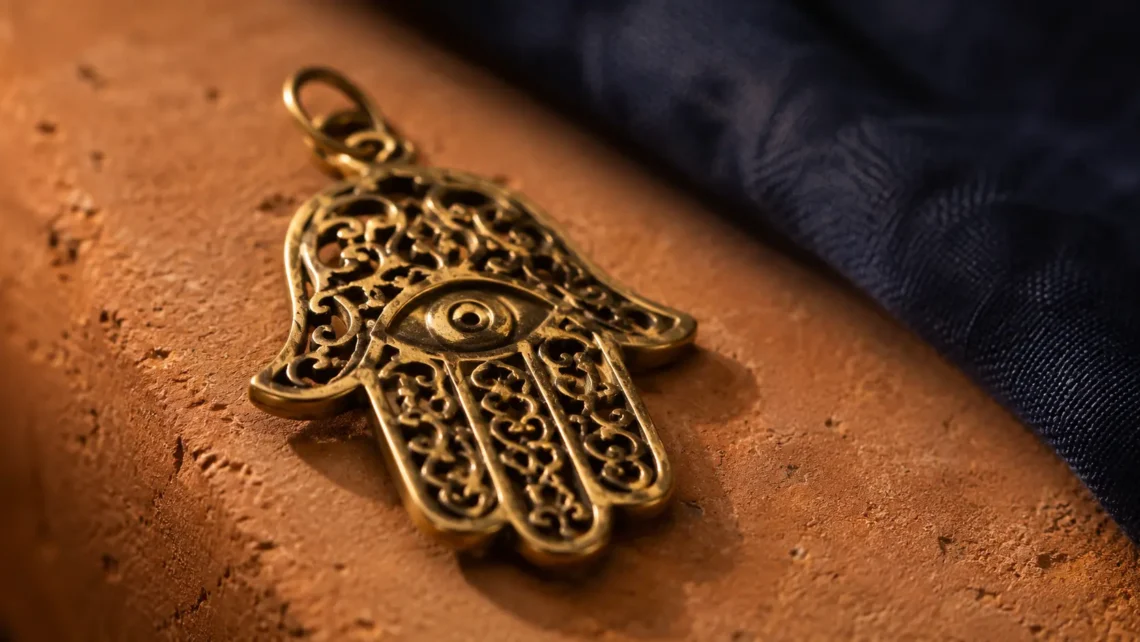
Hamsa Hand Facing Up or Down: What Each Direction Is Believed to Symbolize
In the ruins of ancient Carthage — modern Tunisia — archaeologists have recovered more than six thousand stone markers carved with a single recurring motif: an open right hand, fingers pointing skyward. Every one of them faces upward. That single detail is the oldest clue to the hamsa hand facing up or down meaning — and to why the direction still matters today. That detail matters if you’ve ever held a hamsa pendant and hesitated before putting it on. A hamsa hand facing up or down carries different symbolic weight depending on the direction. Fingers pointing skyward are traditionally read as a protective gesture — a shield against negativity and…