
The dark night of the soul rarely feels poetic while it is happening.
It can feel like waking up inside a life that still looks familiar, but no longer feels reachable. The routines are there. The people are there. The beliefs may still be there. But something inside has gone strangely quiet.
For many people, the dark night of the soul is not one dramatic collapse. It is a slow loss of meaning. The prayers, goals, roles, and spiritual ideas that once gave shape to life start to feel distant. Not exactly false. Just harder to believe with the same force.
This is why the experience can feel so frightening. It is not only sadness. It is the strange absence of direction. A person may still work, answer messages, pay bills, and appear functional while privately feeling as if the center has disappeared.
Historically, the phrase comes from Christian mystical language, especially the writing associated with St. John of the Cross. In modern spiritual writing, it is often used more broadly to describe a season of spiritual emptiness, identity loss, or inner disorientation.
This article treats the dark night of the soul as a symbolic and reflective experience, not as a medical condition, diagnosis, or proven neurological event. It explores why spiritual exhaustion can feel so heavy while keeping one grounded boundary in place: when the darkness becomes severe, unsafe, or impossible to manage alone, spiritual language should not replace real support.
When Meaning Starts to Go Quiet
One of the first signs of a dark night of the soul is not always pain.
Sometimes it is the disappearance of wanting.
Coffee does not pull you into the morning the way it used to. A goal you once cared about sits in your notes app like it belongs to someone else. The version of you who made plans six months ago can feel strangely unavailable now.
That quietness can be disturbing because it does not always arrive with a clear reason. Nothing obvious may have happened. No single loss. No single betrayal. No single failure. Yet the old meaning no longer reaches you.
Spiritually, this can feel like the old self losing its center.
Emotionally, it may reflect a period where too much has been questioned at once. Beliefs, relationships, ambitions, routines, and identity can all become unstable in the same season. When that happens, the mind may not immediately produce a new purpose. It may simply stop trusting the old one.
That gap is where the dark night often begins.
This is different from ordinary boredom. Boredom usually wants stimulation. The dark night of the soul often wants truth, but cannot yet recognize what truth looks like. It is not asking for a new hobby. It is asking why the old reasons for living no longer feel strong enough.
That question can spread into everything.
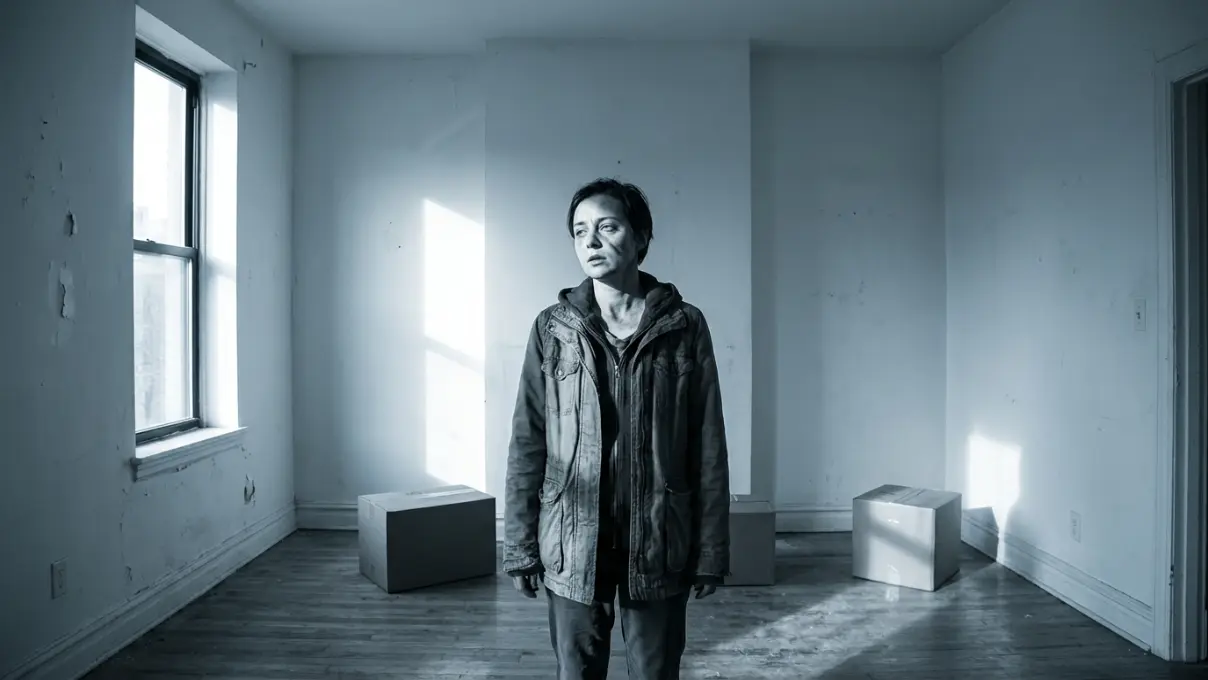
Work feels thinner. Relationships feel harder to perform. Spiritual practices feel strangely silent. Even the future can start to look like a blank room.
If this resembles the emptiness described in spiritual awakening, the difference may be weight. A normal inner shift can feel disorienting. A dark night feels heavier because the old meaning has collapsed before the new meaning has arrived.
Why the Dark Night Can Feel Physical
A dark night of the soul can feel physical because meaning is not something people experience only as an idea.
When life stops making sense, the body may seem to participate in that loss. The chest may feel heavy. Sleep may stop feeling restorative. Appetite may change. Ordinary conversations may feel too loud, too flat, or too far away.
None of that proves a spiritual awakening.
None of it proves a medical explanation either.
It only shows that deep inner disorientation is rarely abstract. It has texture. Weight. Timing. A way of changing how the day lands on you.
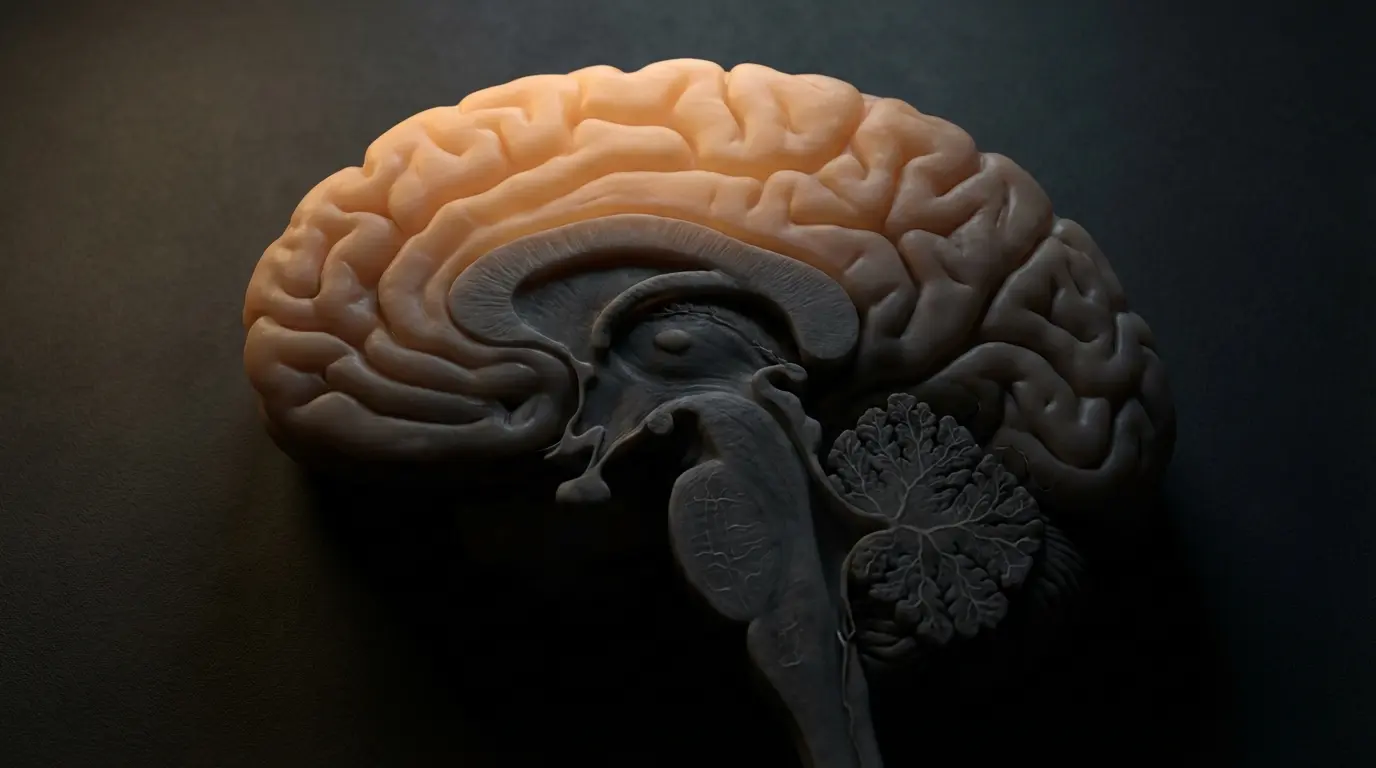
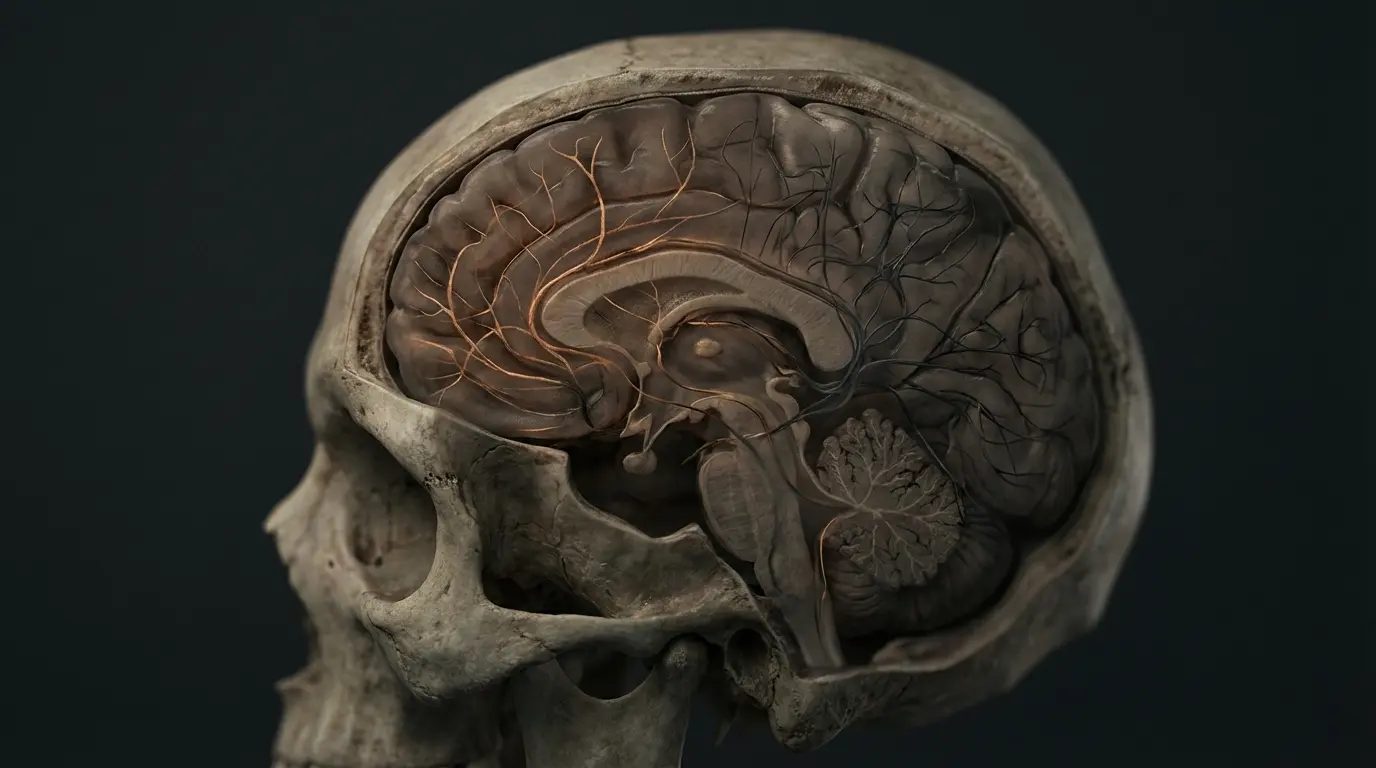
This is where spiritual language can be useful, as long as it stays humble. Calling it a dark night of the soul may help someone name the symbolic experience of losing old meaning. But if the physical heaviness becomes intense, persistent, or frightening, it deserves practical attention too.
A useful question is not, “Is this spiritual or physical?”
A better question is, “What is this experience changing in my actual life?”
If the dark night is making you more honest, more aware, or more willing to release a false identity, that matters. If it is making you isolated, unable to function, or afraid of yourself, that matters too.
The symbolic meaning should never erase the practical impact.
Some people confuse stillness with wisdom. But not every quiet season is clarity. Sometimes the quiet is a sign that someone has been carrying too much for too long.
That is why this topic needs care. The dark night of the soul can be a powerful spiritual frame, but it should not become a beautiful label for unaddressed suffering.
The same caution applies to experiences often described as ego death. A symbolic collapse of identity can feel meaningful, but the person living through it still needs grounding, language, and support.
The Risk of Calling Every Heavy Season Spiritual
The danger is not the phrase dark night of the soul.
The danger is using the phrase to ignore what is happening in real life.
If someone stops eating normally, withdraws from everyone, loses the ability to function, or begins to feel unsafe with themselves, the experience should not be framed only as sacred transformation. That is too much pressure for a spiritual idea to carry.
A symbolic reading can sit beside practical care.
The dark night of the soul may describe the meaning of the experience. It should not become a reason to avoid help, connection, rest, or honest conversation with someone qualified to support serious distress.
There is also another risk: turning darkness into identity.
Some people begin to treat the dark night as proof that they are deeper, more awakened, or more spiritually chosen than others. That may feel protective for a while, especially when ordinary life feels unbearable. But it can quietly trap the person inside the experience.
Pain does not need to become a personality.
The more honest reading is simpler. A dark night may mean that something old has lost authority inside you. A belief. A role. A relationship to success. A version of faith. A version of yourself that survived for a long time, but cannot carry the next question.
That does not make the darkness glamorous.
It makes it information.
If you also feel detached from people, places, or your own reflection, this may overlap with feeling disconnected from reality. That does not mean the two experiences are identical. It means the language needs to stay careful.
What to Do When the Dark Night Feels Too Heavy
The first move is not to solve the whole darkness.
That is too large.
Start with the part that can be named.

Separate symbolic meaning from daily functioning
Ask one blunt question: what part of my actual life stopped working?
Not the mystical answer. The practical one.
Is it sleep? Food? Work? Relationships? Prayer? Motivation? Basic care?
The dark night of the soul becomes easier to understand when it is not treated as one giant mystery. Break it into the exact places where life feels interrupted.
If the answer is “everything,” that matters. It means this may need more support than an article, a prayer, or a symbolic interpretation can provide.
Identify what no longer carries meaning
This is not about forcing gratitude or pretending to feel hopeful.
It is about identifying what lost weight.
A belief may have stopped comforting you. A goal may have stopped feeling honest. A version of yourself may have expired before the next one became clear. That does not make the emptiness easy, but it makes it less shapeless.
Look for the specific loss of meaning.
Did success stop feeling real? Did a relationship role stop fitting? Did faith become silent? Did constant self-improvement start to feel like another form of pressure?
The dark night becomes less vague when you can name the exact thing that no longer holds.
Bring in one grounded witness
Choose one person who does not turn everything into a spiritual lesson.
Say it plainly: “I do not feel like myself, and I need someone to know that.”
That sentence matters because the dark night often becomes heavier in secrecy. You do not need someone to explain your soul. You may need someone who can notice whether you are eating, sleeping, answering messages, and staying safe.
If the heaviness includes thoughts of self-harm, fear of losing control, or an inability to care for basic needs, seek urgent support from a qualified professional or emergency service in your area. A spiritual interpretation should never delay safety.
FAQ — Dark Night of the Soul
How long does the dark night of the soul last?
There is no fixed timeline. Some people describe it as a short season of confusion, while others experience it as a longer period of spiritual exhaustion. If the heaviness continues for weeks or begins affecting basic functioning, it is wise to look for grounded support instead of waiting for meaning to return by itself.
Is the dark night of the soul the same as depression?
Not necessarily. The phrase dark night of the soul is usually used in a spiritual or symbolic context, while depression is a clinical matter that should be assessed by qualified professionals. The experiences can overlap in how heavy they feel, so it is better not to use spiritual language as a substitute for care.
Can the dark night of the soul happen more than once?
Some people describe more than one dark night across different phases of life. Each one may involve a different layer of identity, belief, grief, or purpose. Repetition does not mean failure. It may mean the old structure no longer answers the same questions.
What is the safest way to understand this experience?
The safest way is to hold two truths together. The dark night of the soul may carry symbolic meaning, and it may also involve real emotional strain. You do not have to choose between reflection and support.
The First Morning That Feels Slightly Less Empty
The dark night of the soul does not always end with revelation.
Sometimes it ends with one ordinary detail returning.
The room feels less hostile. A familiar song does not feel completely flat. A small task becomes possible. You do not feel reborn. You simply feel one inch closer to yourself.
That inch matters.
Maybe the dark night was not here to destroy your life. Maybe it arrived when the meaning you were using could no longer hold the person you were becoming. But even then, the experience should not be romanticized. Darkness can be meaningful and still require care.
If this article describes your current season, choose one concrete point of support today: one person, one appointment, one honest sentence, one small repair in the part of life that has gone quiet.
Do not turn the entire darkness into a symbol.
Start with the part that is real.
This article offers symbolic and reflective interpretation only. It is not medical, psychological, or psychiatric advice. If this experience feels severe, unsafe, or impossible to manage alone, please seek support from a qualified professional or emergency service in your area.