Dreaming of Your Childhood Home Repeatedly: Memory Echo or Inner Self Calling You Back?
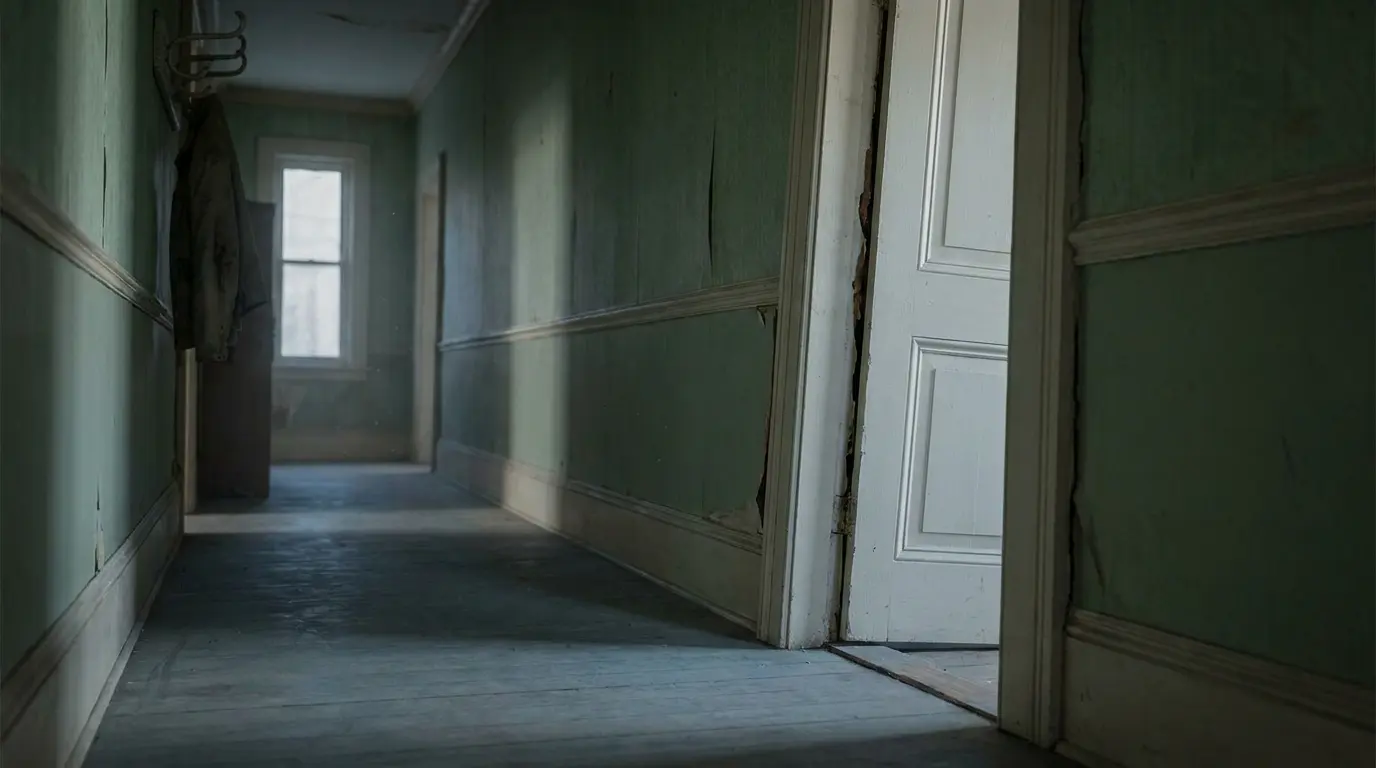
You step into the hallway, but the hallway is too long. The wallpaper is familiar, the light is wrong, and a door you knew by touch has moved three feet to the left.
That strange distortion is why dreaming of childhood home spiritual meaning rarely feels like simple nostalgia. The house is not just remembered; it is rearranged.
A repeated childhood home dream can feel comforting, invasive, sacred, or unfinished depending on what the house preserves and what it changes. Sometimes it echoes memory. Sometimes it returns a version of safety you lost. Sometimes the most important detail is not the house at all, but the room, person, object, or locked passage that keeps repeating.
The Same House, Three Different Returns
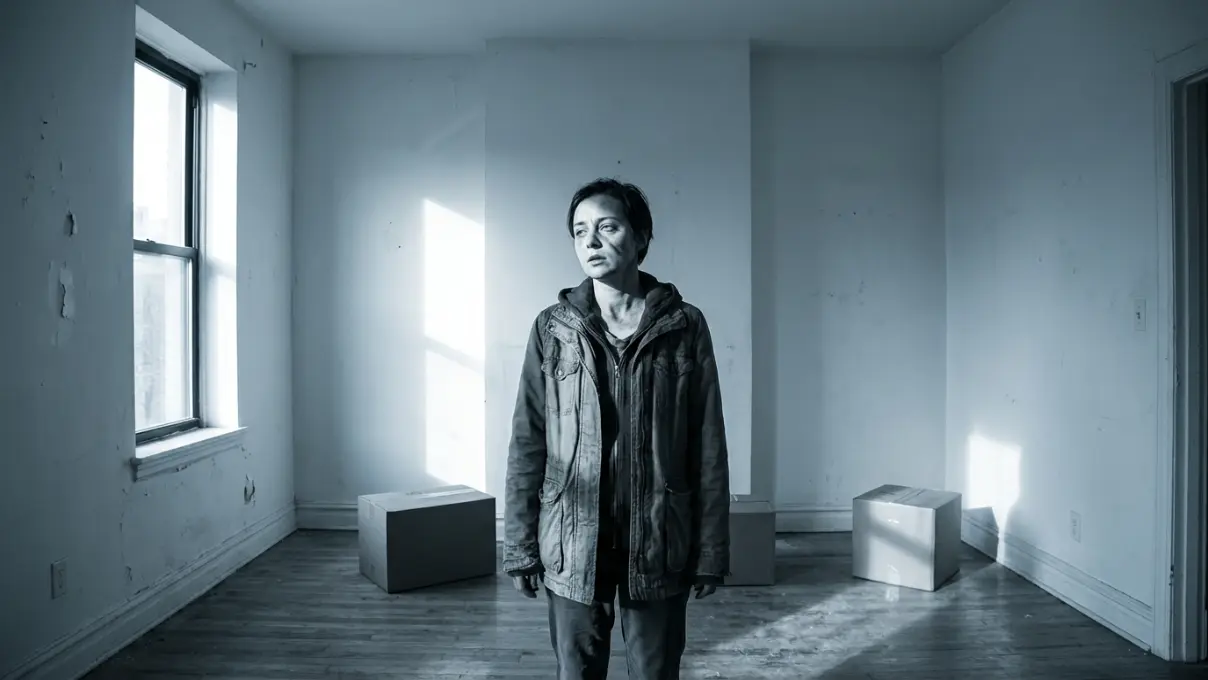
One person dreams of a bedroom that looks exactly as it did at age nine. The bed is in the same corner. The ceiling stain is still there. Nothing dramatic happens, yet the dream leaves behind a feeling of being watched by an earlier version of the self.
Another person dreams of the same house, but the hallway has shrunk. The adult dreamer can barely turn around. The house that once felt large now feels like a box, as if the dream is measuring the distance between who they became and the identity that first learned how to belong.
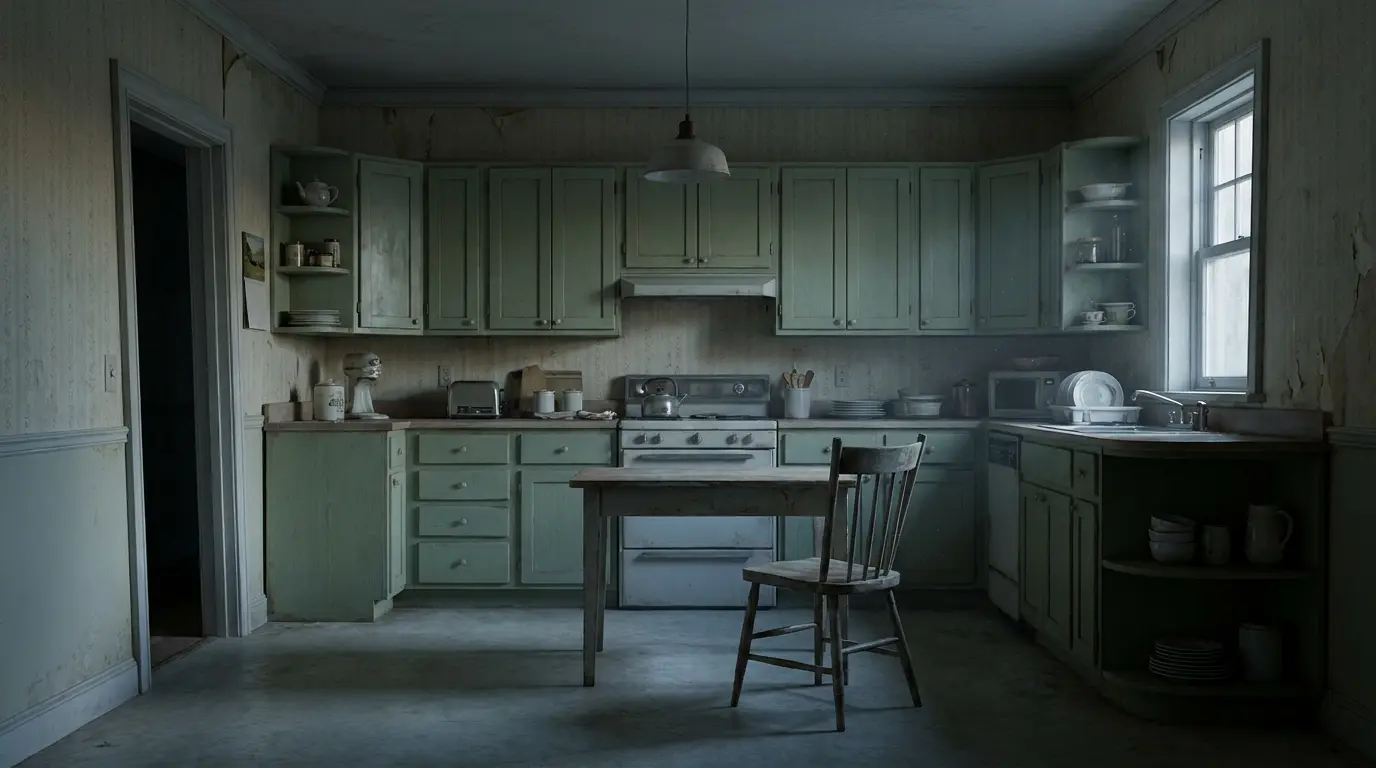
A third person keeps returning to the kitchen. The table is set, but one chair is empty. No one says who is missing. The silence does the explaining.
The Room That Stayed Exactly the Same
When a childhood room appears almost unchanged, the dream may be less about the physical house and more about emotional preservation. The mind may be revisiting a stored scene with unusual precision, especially if a recent event brushed against an old role: the responsible child, the invisible child, the protected child, or the child who had to grow up too early.
Spiritually, an unchanged room may feel like an archive. It does not demand that you move back into the past. It asks why this specific version of you was kept so carefully.
The Hallway That Feels Too Small Now
A distorted hallway carries a different charge. When the house is too narrow, too low, or too hard to move through, the dream may be staging a conflict between adult size and childhood structure.
This is where dreaming of childhood home spiritual meaning becomes more architectural than sentimental. The old space cannot hold the current self in the same way. The dream may be showing a life pattern that was built for survival but now feels too cramped.
The Kitchen With Someone Missing
A kitchen dream often feels relational because kitchens hold routines: meals, overheard conversations, family timing, arguments avoided, and comfort that may have been inconsistent.
If someone is missing from that room, the absence may matter more than any object. This is close to how some dreams tied to memory can feel less like a message and more like a scene where the past keeps testing what still has emotional weight.
What the Repeated Dream Keeps Sorting by Room
A childhood home dream is rarely a random building. It behaves like a recurring emotional floor plan.
The bedroom may sort private identity. The kitchen may sort family roles. The living room may sort visibility: who was allowed to take up space, who performed calm, who kept the room peaceful. A staircase may sort transition, especially if you keep going up but never arrive, or going down into a part of the house you did not remember. In that case, the meaning of stairs in a dream depends not only on whether you move up or down, but also on the condition of the steps and where they lead.
When the house keeps revealing a part you never knew was there, that shift belongs to a related pattern — rooms you never knew existed that the dream wants you to enter, not just remember.
The front door matters because it separates the inner world from the outside one. If you cannot open it, the dream may be exploring a boundary. If the door opens too easily, the old house may feel exposed, as if the past has no lock.
Objects can sharpen the meaning. A lamp from the old bedroom, a cracked tile, a school bag near the entrance, or a family photo in the wrong room can become the emotional hinge of the dream. That is why old objects in dreams often feel heavier than ordinary props.
The question is not “What does a childhood home mean?” in a general sense. The better question is: which part of the house keeps receiving the dream’s attention?
A repeated attic is not the same as a repeated bathroom. A backyard is not the same as a locked basement. Even if the whole house appears, the dream usually has a center of gravity. Find the room that behaves like a magnet.
Memory Echo or Inner Self Calling You Back?
Some childhood home dreams may be memory echoes. That does not make them meaningless.
A 2005 study in Memory & Cognition, titled Temporal references in dreams and autobiographical memory, found support for continuity between waking and dreaming memory processes. The study did not claim that every dream has a spiritual message. It does support a careful idea: dreams can draw from autobiographical memory in patterned ways.
That matters here because childhood homes are not neutral locations. They hold first versions of safety, conflict, privacy, shame, freedom, family performance, and belonging. A dream may borrow the house because the house is the most efficient container for a memory-based emotional pattern.
When the House Copies the Past Too Closely
If the dream house copies reality almost exactly, it may be working like a memory echo. A recent smell, family conversation, old song, anniversary, move, illness, breakup, or reunion may have reopened the file.
The spiritual interpretation should stay proportional. The dream may not be announcing destiny. It may be asking for recognition: this old space still has a living emotional address.
When the House Edits Itself
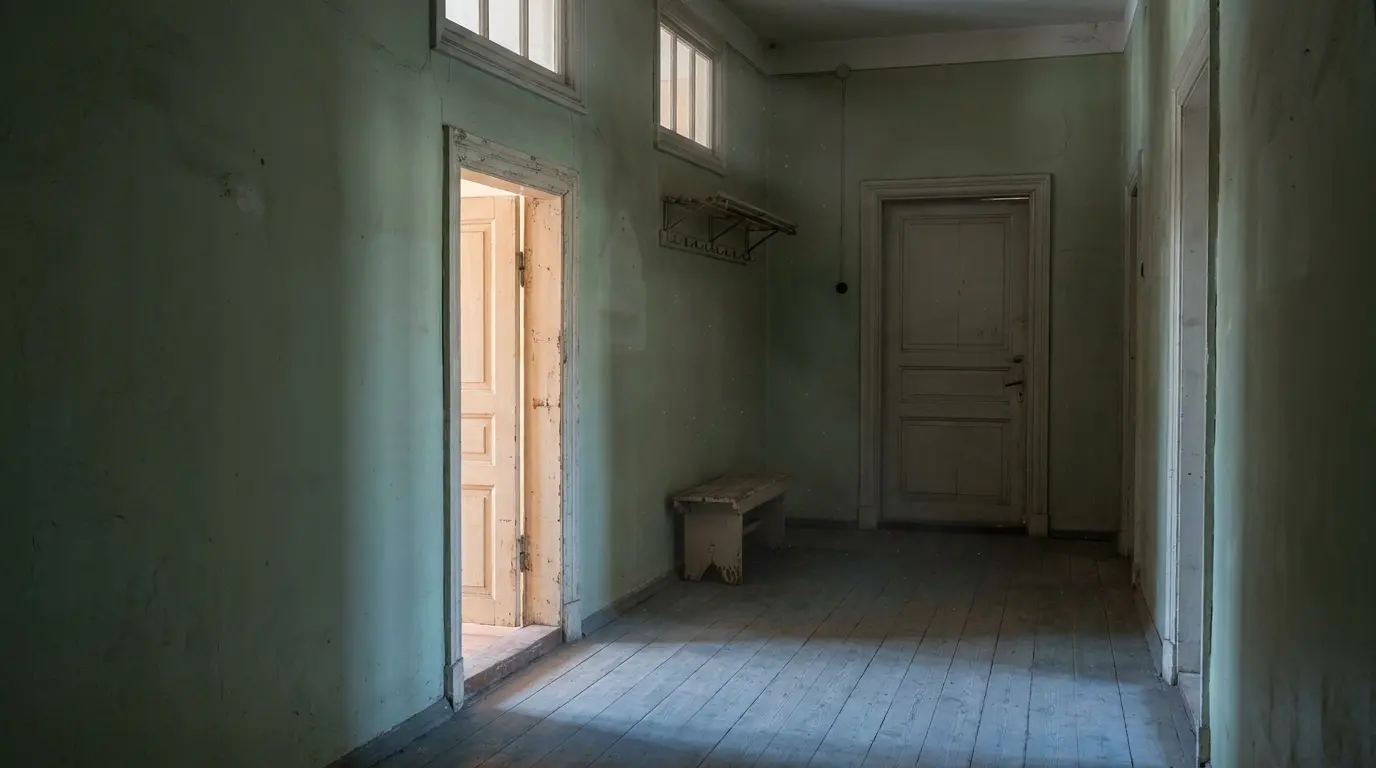
When the house edits itself, the symbolic layer becomes stronger. A new room appears. A door leads to the wrong place. The childhood bedroom opens into a street you live on now. Someone from adulthood stands in a house they never visited.
Those edits are the dream’s grammar.
This is where dreaming of childhood home spiritual meaning may point toward identity rather than memory alone. The house is not replaying the past; it is combining old structure with current pressure. Similar to recurring dream figures, the repeated place may matter because it carries a role you keep meeting in different forms.
How to Read the Childhood Home Without Turning It Into a Warning
Do not force the dream to become a prediction. A childhood home dream is more useful when read as a comparison between the actual house, the remembered house, and the altered house.
First, identify the repeated room. Not the whole house. The room. If the same staircase, hallway, kitchen, or bedroom keeps appearing, the dream has already narrowed the field.
Second, notice the impossible edit. Was the house larger, smaller, flooded, empty, renovated, abandoned, crowded, locked, or brighter than it ever was? The impossible detail is not decoration. It is the part of the dream that refuses to behave like memory.
Third, look for the missing person or object. Not every absence is grief. Sometimes absence marks a role that no longer works. Sometimes it marks a safety that was never as complete as it looked.
Fourth, compare the dream house to the real house. If the real home was chaotic but the dream home feels peaceful, the dream may be building the safety you wanted rather than the safety you had. If the real home was warm but the dream feels threatening, the dream may be using the house as a stage for something current.
This is the recurring emotional floor plan: room, distortion, absence, difference.
The meaning becomes clearer when those four details are read together. A locked bedroom with a missing parent is different from a bright kitchen with a table set for someone who never arrives. A hallway that shrinks every time you enter it is different from a hidden room that grows larger each night.
Dreaming of childhood home spiritual meaning does not require you to romanticize the past. It may simply ask you to stop treating the dream house as real estate and start reading it as architecture of memory.
Questions People Ask About Childhood Home Dreams
Is dreaming of my childhood home a spiritual sign?
It can be read spiritually, but it does not need to be treated as an absolute sign. A childhood home may symbolize memory, identity, emotional safety, unfinished family roles, or a version of yourself that still feels active.
Why do I keep dreaming of the same childhood room?
The repeated room may be the most emotionally charged part of the house. A bedroom may point toward private identity, a kitchen toward family patterns, a hallway toward transition, and a locked room toward something that still feels difficult to access.
The exact meaning depends on what happens there. A quiet room, a crowded room, and a room you cannot enter are not the same dream.
What if the childhood home looks different in the dream?
Changes to the house often matter more than accuracy. A new door, missing wall, altered size, or unfamiliar room may show how the past is being reinterpreted through your current life.
The dream may be combining memory with present emotion.
Does this mean I have unresolved childhood issues?
Not necessarily. Recurring childhood home dreams may reflect memory, transition, longing, identity, grief, or emotional comparison.
If a dream causes intense distress or connects with difficult personal history, it may be worth discussing with a qualified mental health professional. The symbolic reading should never replace personal support, clinical care, or your own sense of safety.
The House You Keep Returning To Is Not the One You Need to Live In
The childhood home in your dream is not asking you to move backward.
It may be showing you the blueprint you first learned from: where love gathered, where silence sat, where doors stayed open, where doors never opened, where you felt small, where you felt held, where you learned which version of yourself was acceptable.
The turn happens when you stop asking only what the house means and begin asking what the house keeps comparing.
The next time the dream returns, look for the room that pulls focus, the impossible edit, the missing presence, and the difference between the real home and the dream home. That is the exact place where the old architecture meets the person you are building now.
This article is for symbolic, reflective, and informational purposes only. It does not provide medical, psychological, or spiritual certainty, and it should not be used as a substitute for professional support when distress is intense or persistent.



Alex Turner
Alex Turner is the editorial pen name used for articles published on Signs of Universe. The website covers dreams, symbolism, and cultural interpretations for informational and reflective purposes. Alex Turner is not a medical, mental health, scientific, or spiritual authority.