Teeth Falling Out Dream Spiritual Meaning: Anxiety, Transformation, or Something Deeper?
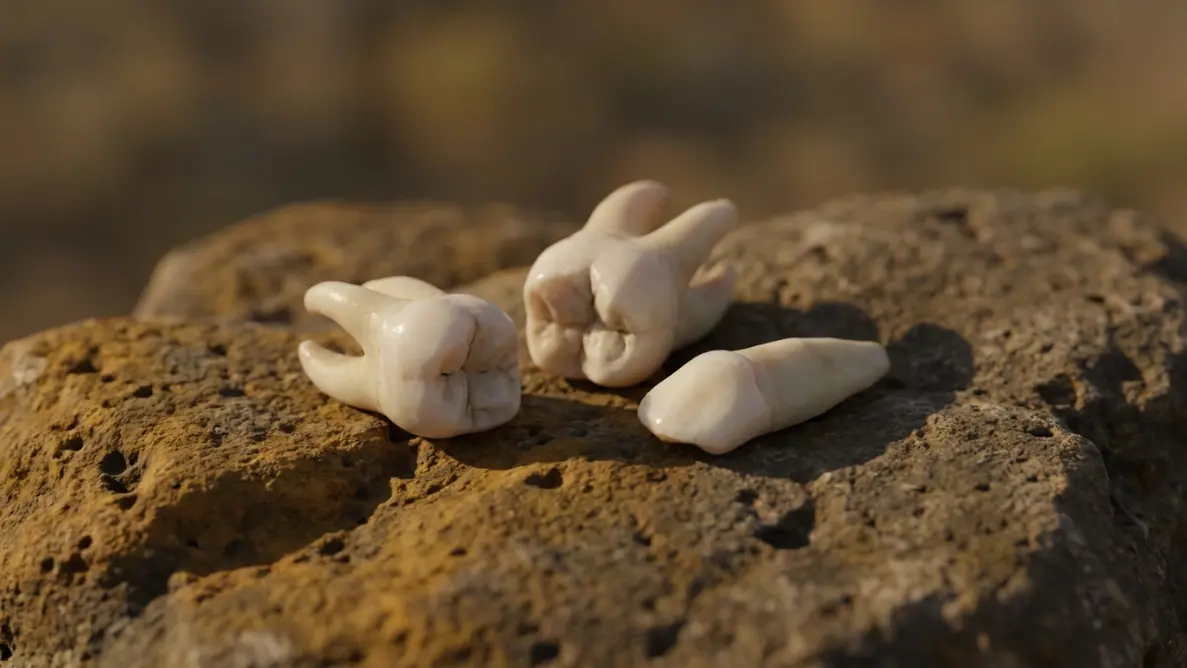
Three molars hit the bathroom sink. You watched them fall in slow motion — heavy, real, clicking against porcelain like small stones. Your tongue swept the empty ridge where enamel used to be, and the gap felt enormous. Then you woke up.
Your fingers went straight to your mouth. Every tooth accounted for. But the teeth falling out dream spiritual meaning doesn’t dissolve with the relief of waking. Something lingers — not fear exactly, but a strange awareness that your jaw still holds tension from a scene that never happened. That residue matters more than the dream itself.
The connection between tooth loss in dreams and unprocessed shifts in identity, suppressed communication, and transitions the dreamer hasn’t consciously acknowledged runs deeper than the usual “it’s just stress” explanation. What follows isn’t a menu of generic interpretations — it’s a chain reaction. One consequence leading to the next, each one harder to ignore than the last.
The Initial Jolt: What Happens in the First Seconds After Teeth Leave Your Gums in a Dream
Most nightmares vanish the moment your eyes open. This one doesn’t.
People who dream of teeth falling out report something unusual: a physical aftereffect. Jaw clenched. Tongue pressing against the back of the front teeth. Sometimes a dull ache in the gums that takes minutes to fade. No other common nightmare — not falling, not being chased, not drowning — produces this kind of somatic echo with such consistency.
Why teeth specifically?
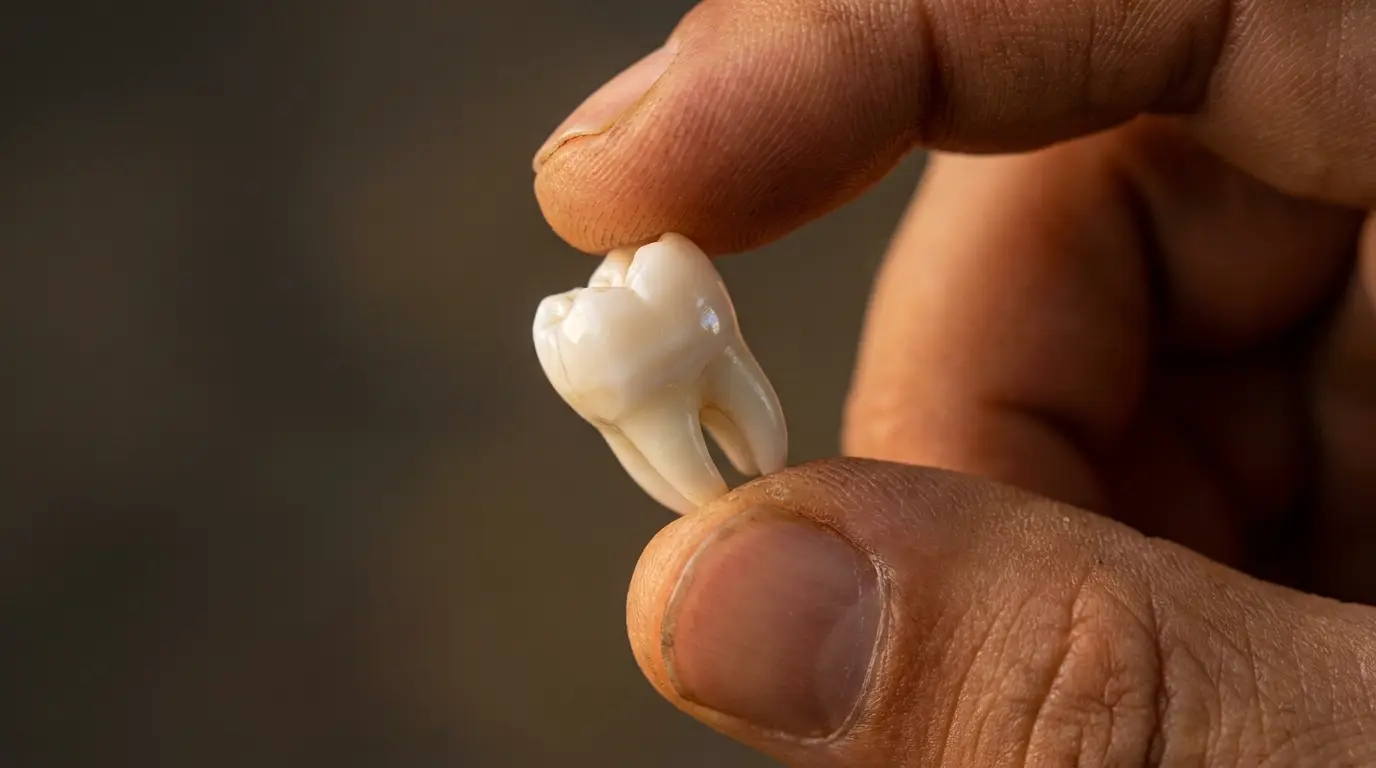
The mouth occupies a disproportionate amount of neural real estate. Some researchers in somatic therapy suggest that the oral cavity may function as a primary zone where identity, survival, and social presentation converge. Teeth are how you bite, speak, smile, and present yourself. They’re the visible edge of the skeleton. The only bones the world gets to see.
So when they crumble in a dream, the body doesn’t treat it as fiction. It responds as though something structurally essential just failed. That’s the first domino — not the dream itself, but the body’s refusal to file it as imaginary.
And that refusal is information.
The Meaning That Builds Underneath: Loss, Control, and the Weight of Unspoken Words
Here’s what most interpretation lists miss: the meanings aren’t separate options. They stack.
The first layer is control. Teeth don’t fall because you decided to let them go. They fall without permission. In waking life, this mirrors situations where something you relied on — a role, a relationship, a version of yourself — started dissolving before you were ready. The teeth falling out dream spiritual meaning often surfaces not when things are obviously falling apart, but when the first cracks appear and the dreamer is still pretending everything holds.
The second layer sits directly beneath: communication. Teeth shape words. Without them, speech distorts. People who swallow what they need to say — who edit themselves for safety, who bite back the sentence that could change everything — sometimes find their dreams doing the talking for them. The mouth fills with broken pieces because the words were never allowed out whole.
The third layer is the one people avoid. Teeth are social. They’re presentation. Some dream researchers have suggested that tooth-loss dreams may relate more to
periods of social self-evaluation than to general anxiety. The dreamer wasn’t just stressed. The dreamer was worried about being seen — and found lacking.
If you’ve been reading about what it means when a glass breaks by itself, the pattern is similar: the object that shatters isn’t random. It’s structurally connected to what the dreamer — or the person experiencing the event — is holding together by force.
In classical Chinese dream interpretation — not the diluted “Eastern wisdom” version — teeth belonged to ancestors. Losing a lower tooth meant a younger family member was in spiritual transition. Losing an upper tooth pointed to an elder. The specificity matters. This wasn’t a vague “teeth = death” equation. It was a positional map. Which tooth. Which jaw. Which generation. That level of detail has largely been flattened into a single line on modern dream dictionaries, but the original framework treated each tooth as a different address in the family structure.
One domino knocked the next. Control cracked. Words backed up. Social identity wobbled. And the dream compressed all three into a single image: a mouth emptying itself.
⚠️ What Gets Worse When You Dismiss the Dream as “Just Anxiety”
Three common dismissals circulate online. Each one sounds reasonable. Each one blocks something the dream might actually be mapping.
Dismissal #1: “It’s just stress.”
Stress dreams exist. But they tend to feature scenarios where the dreamer is late, unprepared, or lost. Tooth loss doesn’t fit that template. The dreamer isn’t failing at a task — they’re losing a part of themselves. Calling it stress is like calling a fracture “discomfort.” Technically adjacent. Functionally useless. Stress is the wallpaper. The teeth falling out dream spiritual meaning is the wall behind it.
Dismissal #2: “It means someone is going to die.”
This one circulates in folk traditions across several regions, but when traced to its source, it almost always originates from a misreading of positional tooth symbolism (like the Chinese framework above). The superstition stripped the nuance and kept the fear. No credible body of dream research — neither clinical nor traditional — supports a literal predictive link between dreaming of tooth loss and physical death of another person.
Dismissal #3: “Everyone has this dream, so it’s meaningless.”
Prevalence doesn’t equal irrelevance. is one of the most
commonly reported dream themes. But the timing varies wildly. It doesn’t distribute randomly across life. It clusters around transitions: job changes, relationship endings, identity shifts, postpartum periods, relocations. The dream is common. When it arrives is not.
A similar body-betrayal pattern shows up when dreaming of being chased but can’t run, where the legs refuse motion the waking life has been faking.
Each dismissal does the same thing: it closes the inquiry before the dreamer reaches the uncomfortable question underneath. And the uncomfortable question is almost never “why did my teeth fall out?” It’s “what am I holding together that already broke?”
The Accumulation You Didn’t Notice: How Recurring Teeth Dreams May Map Onto Unfinished Transitions
A single teeth dream is a flare. Recurring teeth dreams are a pattern — and patterns don’t repeat without fuel.
The fuel, in most cases observed by somatic and transpersonal practitioners, isn’t fear. It’s suspension. Something in the dreamer’s waking life has entered a liminal state: not finished, not started, not decided. A career that stopped fitting two years ago but still pays the bills. A relationship that ended emotionally but continues logistically. An identity the dreamer outgrew but hasn’t replaced.
Teeth don’t rot overnight. They deteriorate in stages — and so do the situations these dreams tend to mirror. The dream accelerates the timeline. What would take months or years to become visible in waking life, the dream compresses into seconds. The mouth fills with pieces. The dreamer spits them into their hand. And the horror isn’t pain. It’s recognition.
If you’ve read about the spiritual meaning of losing everything at once, this connects: the dream may rehearse what the waking mind refuses to preview. Structures falling. Not randomly — but in the exact order the dreamer has been avoiding.
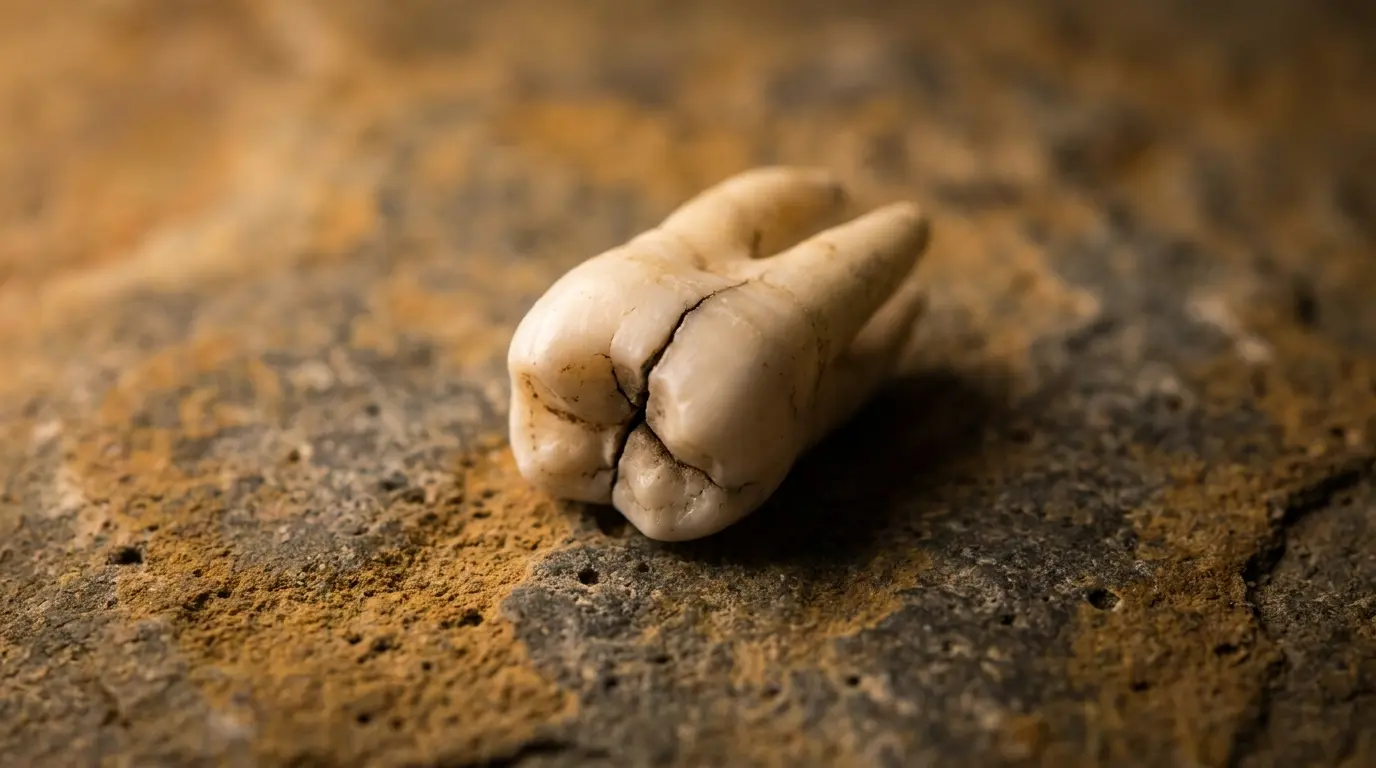
What makes this dream different from other recurring nightmares is its specificity. People who dream of being chased can rarely describe the pursuer. People who dream of falling can’t say from where. But people who dream of teeth falling out almost always know which teeth. Front teeth. Molars. Canines. The location isn’t noise. Some practitioners of Jungian dream analysis suggest that the position in the mouth reflects the function under threat: front teeth relate to social image, molars to the ability to process and break down difficult realities, canines to aggression and boundary-setting.
So the question isn’t whether the dream means something. The question is which tooth fell — and what it was still trying to hold.
Practitioners who work with recurring dream patterns often observe that the dream stops once the transition completes. Not when the dreamer “understands the meaning.” Not when they look it up. When the thing that was suspended finally moves. The job ends. The conversation happens. The old identity gets released without a replacement lined up.
The mouth goes quiet after that.
If you’ve noticed that your dreams of a specific person keep returning alongside tooth loss imagery, the overlap may not be coincidental — the person and the teeth could both point to the same unresolved structure.
The Mouth That Tried to Tell You Something While You Slept
Every tooth in that dream was a word you didn’t say, a version of yourself you didn’t release, or a transition you paused mid-step.
The mouth doesn’t lie. Not even in sleep.
The reflections in this article draw from symbolic, somatic, and interpretive traditions applied specifically to dreams involving tooth loss. They are not clinical assessments, psychiatric evaluations, or substitutes for professional guidance. If recurring dreams are affecting your sleep quality or daily functioning, a qualified specialist is the appropriate resource — not a spiritual framework, however resonant it may feel.




Alex Turner
Alex Turner is the editorial pen name used for articles published on Signs of Universe. The website covers dreams, symbolism, and cultural interpretations for informational and reflective purposes. Alex Turner is not a medical, mental health, scientific, or spiritual authority.