A Bird Hit Your Window: The Old Omen and What the Bird Saw in the Glass
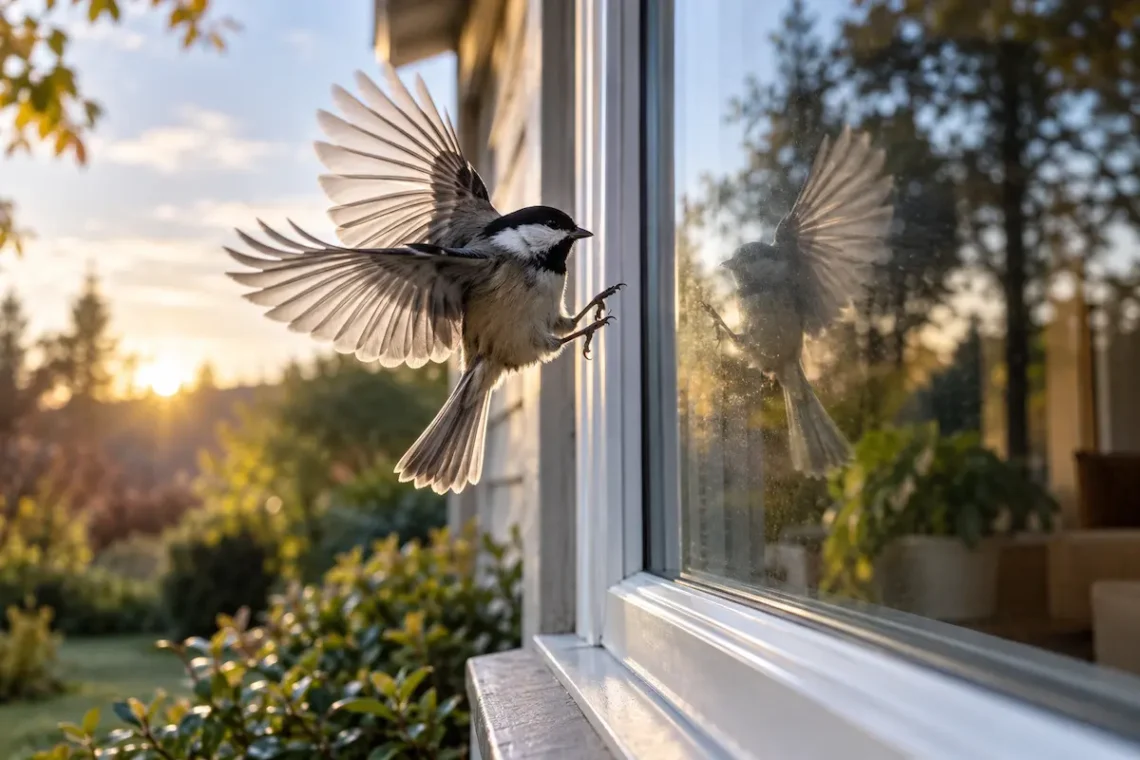
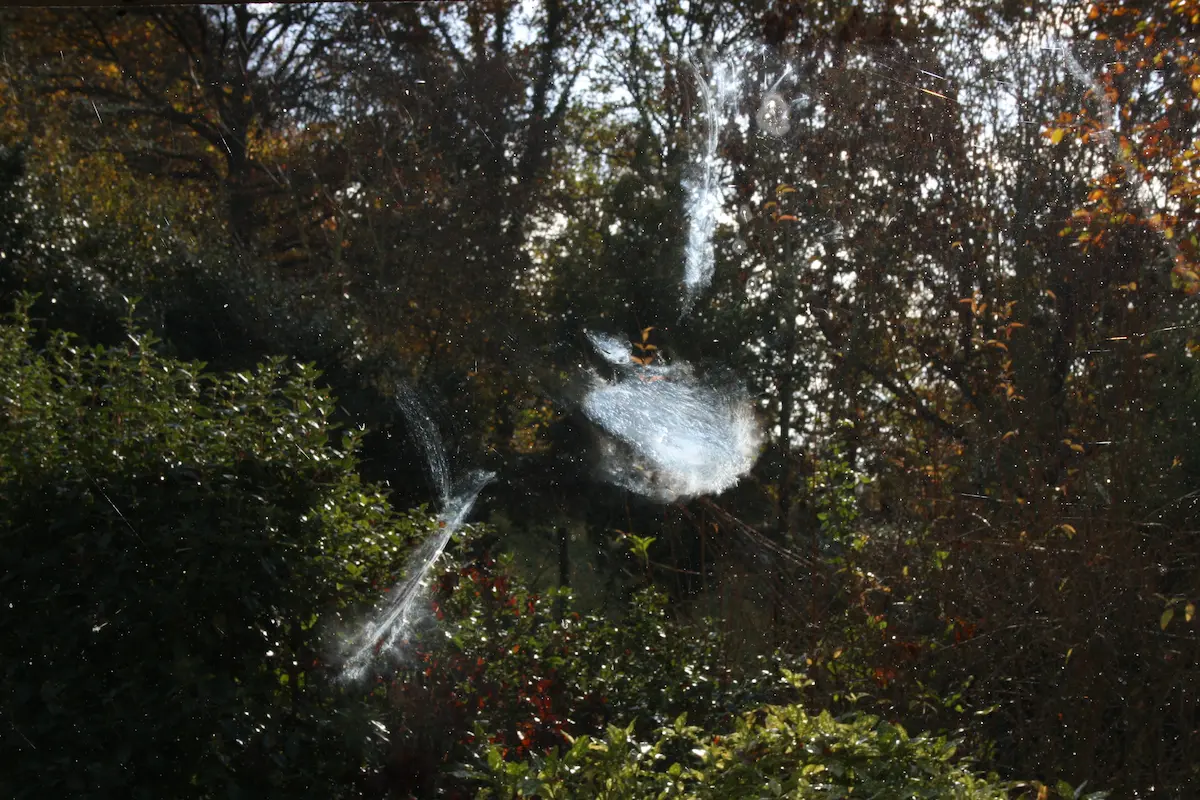
If a bird hit your window, the thud was likely loud enough to make you look up, and it may have left a dusty outline on the glass. The old answer to what it means is blunt: a superstition summarized by Snopes held that a wild bird striking a window carried a warning of death in the household. The physical answer is more specific. The bird was not aiming at your house. It was flying toward the trees or open sky it saw reflected in the glass.
That superstition is a documented belief, not evidence that anything will happen to anyone inside. The detail most worth your attention is a different one. Some modern omen pages say the meaning depends on whether the bird dies or flies away, yet a bird that flies off after a strike has not necessarily survived it. If the bird is still on the ground right now, skip to what to do with a stunned bird and come back to the rest later.
The Omen as It Was Actually Recorded
In her Snopes entry on the belief, Barbara Mikkelson rates the claim as “Legend” and describes it as part of a larger family of animal omens. Wild birds that tried to get inside a house, whether they succeeded or not, were read as a sign that someone living there would die. Birds that hit glass windows fell into the same group, along with birds that sat on sills looking into rooms or tapped on the glass. Some versions set no time limit on the death; others said it would come within the year.
Two features of that recorded version matter for anyone searching today. First, the omen was about a bird trying to reach the inside of the home, so the strike was grouped with perching and tapping rather than treated as its own sign. Second, in the belief as Snopes summarizes it, what happened to the bird afterward plays no part. The entry draws on superstition references such as Iona Opie and Moira Tatem’s A Dictionary of Superstitions and Claudia de Lys’s A Treasury of American Superstitions, and it treats the whole idea as folklore.
“It Flew Away” vs. “It Died”: The Split You Can’t Read
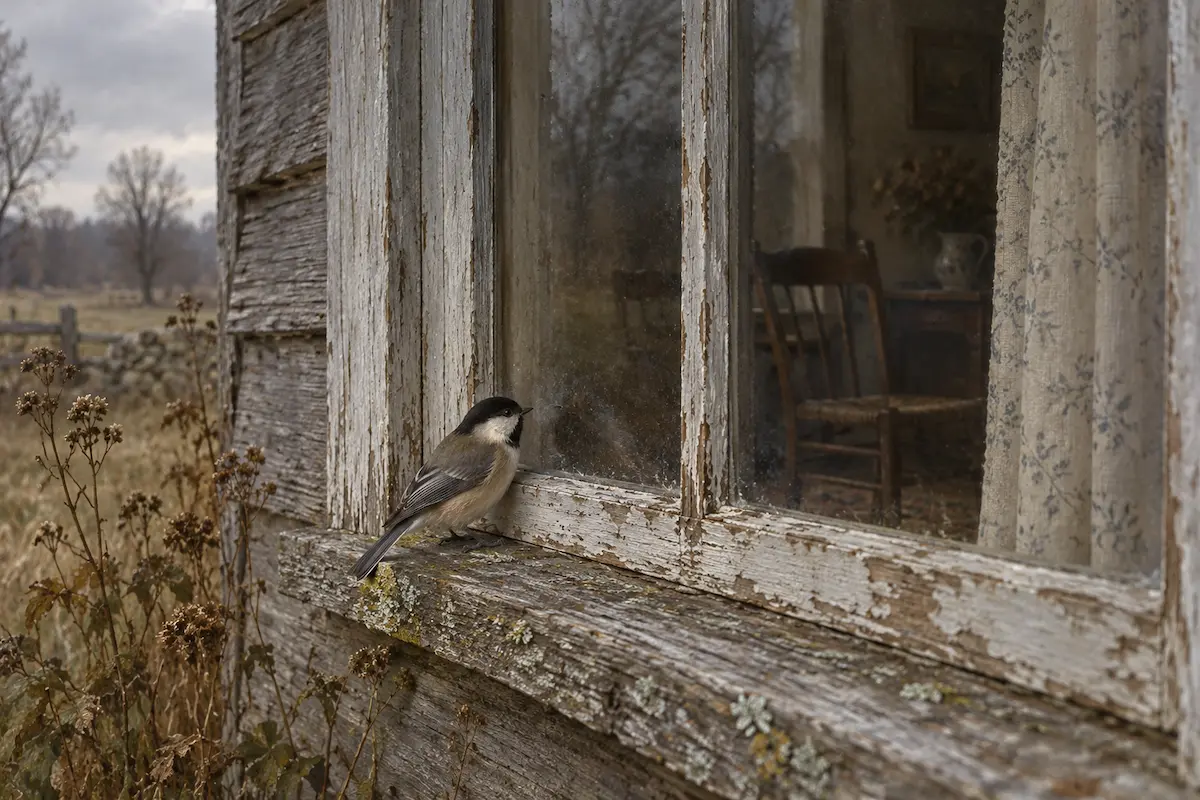
Some current omen websites add a layer the recorded belief does not have. A bird that dies or lies stunned is read as an ending, a transition, or a change on the way; a bird that recovers and flies off is read as nothing to worry about. We could not find an authored folklore source for that split. Where we found it, it appeared without references, so it is best understood as a recent interpretation rather than an old tradition.
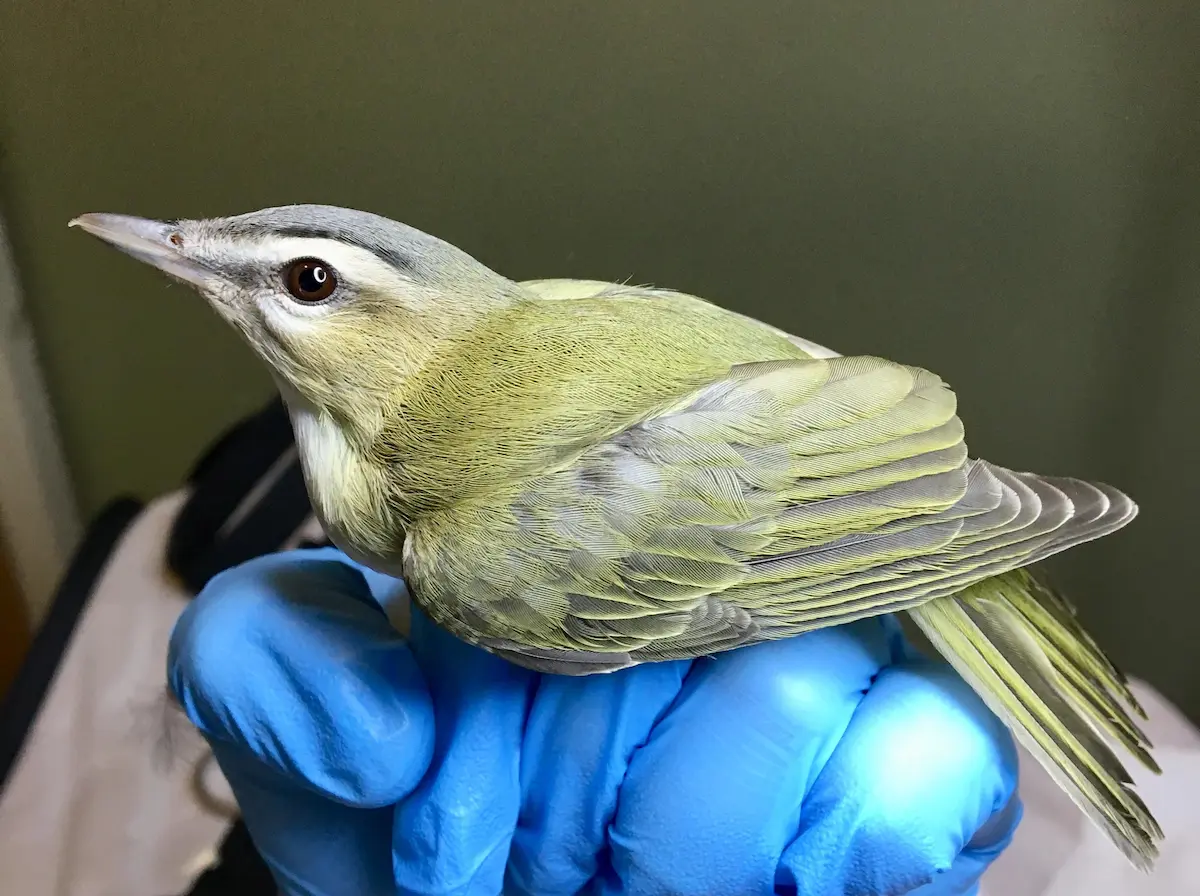
The split also has a practical problem: it treats the bird’s survival as something you can see in the moment. According to the Cornell Lab of Ornithology, a bird that hits a window often dies even when it was only temporarily stunned and managed to fly away, sometimes later from internal bleeding or bruising, especially on the brain. The U.S. Fish & Wildlife Service puts it more starkly: many birds that collide with windows seem fine at first, but most later die from traumatic injuries. Even professional care does not guarantee recovery. In a 2024 PLOS ONE study of collision victims admitted to rehabilitation centers in the Northeastern United States, only about 40 percent of injured birds survived.
Put side by side, the three versions answer different questions:
| What you saw | Recorded superstition (Snopes) | Modern omen-site reading | What the outcome actually tells you |
|---|---|---|---|
| The bird hit the glass and flew off | A death warning for the household; outcome not considered | Usually no cause for concern | Very little. Stunned birds that fly away can still die later from injuries that were not visible. |
| The bird is dazed on the ground | Same warning | Often grouped with a death: an ending or change | The bird may have internal injuries that are not visible yet, and it is exposed to predators. Its best chance is a wildlife rehabilitator, quickly. |
| The bird died | Same warning | An ending, transition, or transformation | The strike was hard enough to be fatal. No documented evidence connects it to the people inside. |
| The bird keeps hitting or tapping the same window | Tapping on glass belonged to the same omen group | No sourced reading found | Usually a territorial bird attacking its own reflection, which is seldom a threat to its survival. |
Read across the rows and a pattern appears. The recorded superstition gives one answer for every case. The modern split gives two answers based on a sign that cannot be trusted. Only the last column changes with what you actually observed, and it is also the only one that tells you whether there is anything left to do.
That does not make the moment feel less personal, and there may be a simple reason it does. A strike is sudden, loud, and happens at a window of your own home, a place you look out from every day. Those qualities could explain why it feels addressed to you. They do not show that it was.
What the Bird Saw in the Glass
Birds cannot see glass as a barrier. Cornell describes windows as worse than invisible for birds, because by reflecting foliage or sky they look like inviting places to fly into. A bird can also see straight through a window to potted plants or greenery on the other side, and the FWS adds landscaping outside the window and lights shining out from inside as further attractions. The American Bird Conservancy sums up the bird’s view simply: when it sees vegetation or sky in a window, it perceives habitat and does not know there is a barrier.
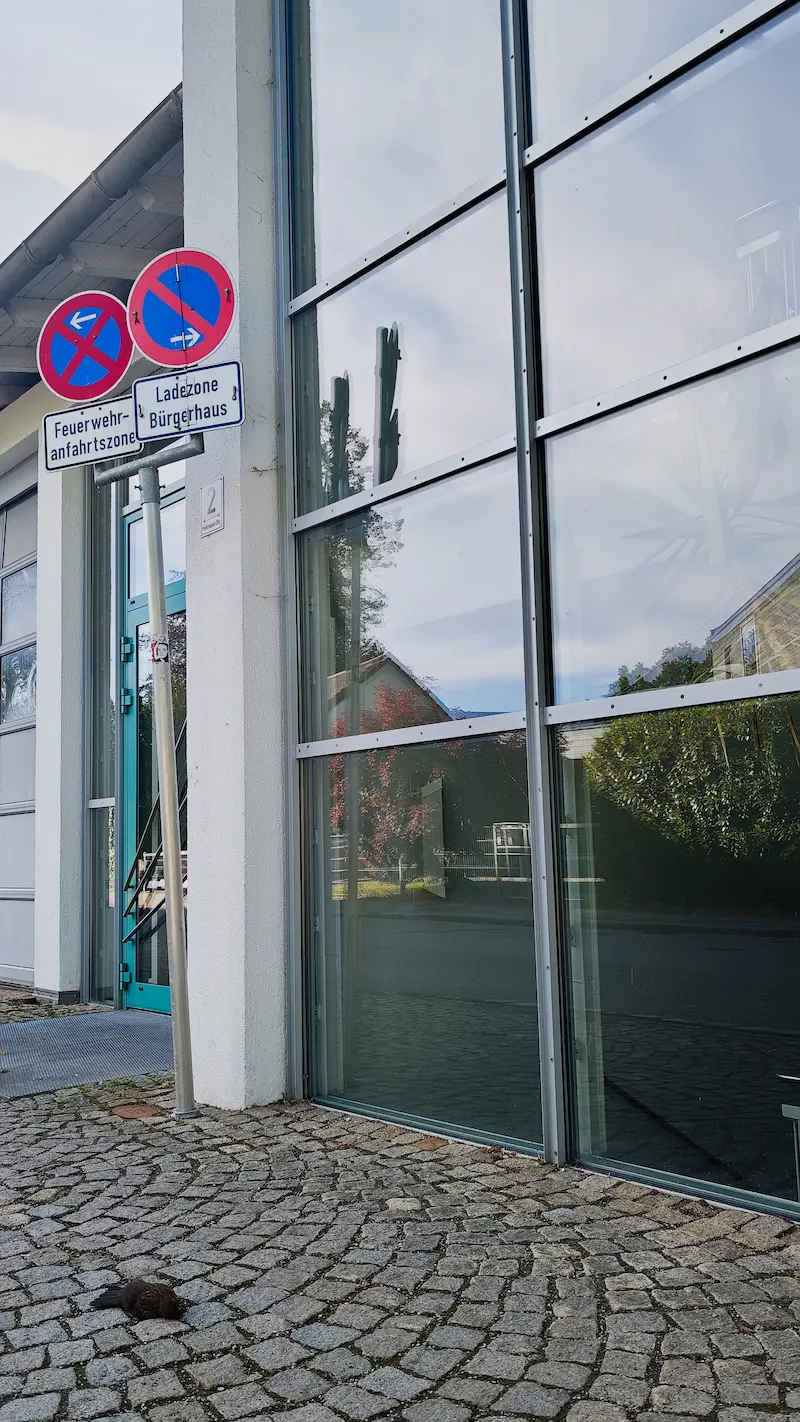
Some layouts make the illusion stronger. Cornell singles out large picture windows, paired windows set at right angles to each other, windows with feeders outside, and rooms where a bright window on the opposite wall creates what looks like an open path to the other side.
Timing follows bird movement rather than anything in the household. Collisions can happen at any hour and in any season, but Cornell notes they are most frequent at dawn and dusk during spring and fall migration. Many birds migrate at night, drop into vegetation at dawn to rest and feed, and take off again at dusk. Moving in and out of cover is exactly when a reflected tree is easy to mistake for a real one.
Your window is also far from unusual. The FWS estimates that more than one billion birds collide with glass in the U.S. every year, and says most fatal collisions happen at homes and buildings shorter than four stories. Estimates of the resulting deaths vary by study, from up to about a billion a year in the 2014 study Cornell cites to well over a billion in the figure used by the American Bird Conservancy. Either way, a strike on an ordinary house window is one of the most common ways this happens.
If the Bird Keeps Hitting the Same Window
A single thud and a bird that returns to the glass again and again are different events. Cornell calls the second one reflection aggression: a bird sees its own reflection in the window and attacks it. It happens most in spring, when territorial behavior is strongest, and it is seldom a threat to the bird’s survival. Most of the window treatments that prevent strikes also help with it. If the bird tapping at your glass is a crow, the guide to a crow at your window at night covers repeated tapping and pecking in more detail.
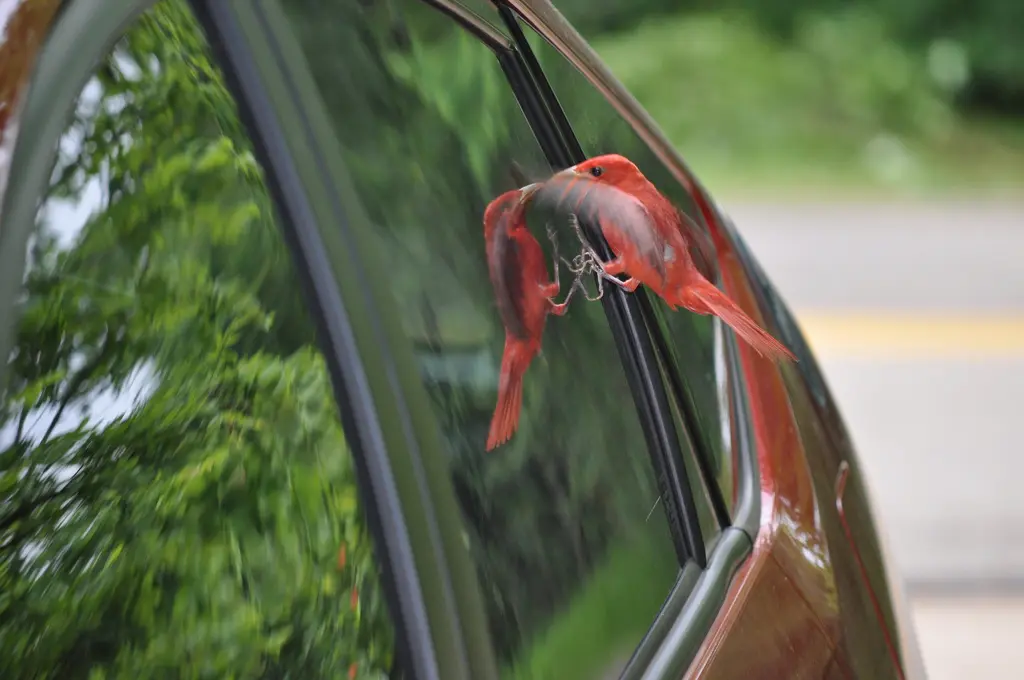
If a Bird Hit Your Window and Is Still on the Ground
Cornell’s guidance is that a window-collision victim’s best chance of recovery is help from a wildlife rehabilitation facility, as soon as possible. Injuries may not be visible at first and can worsen, and a dazed bird left outside is vulnerable to predators and foot traffic. The steps it recommends:
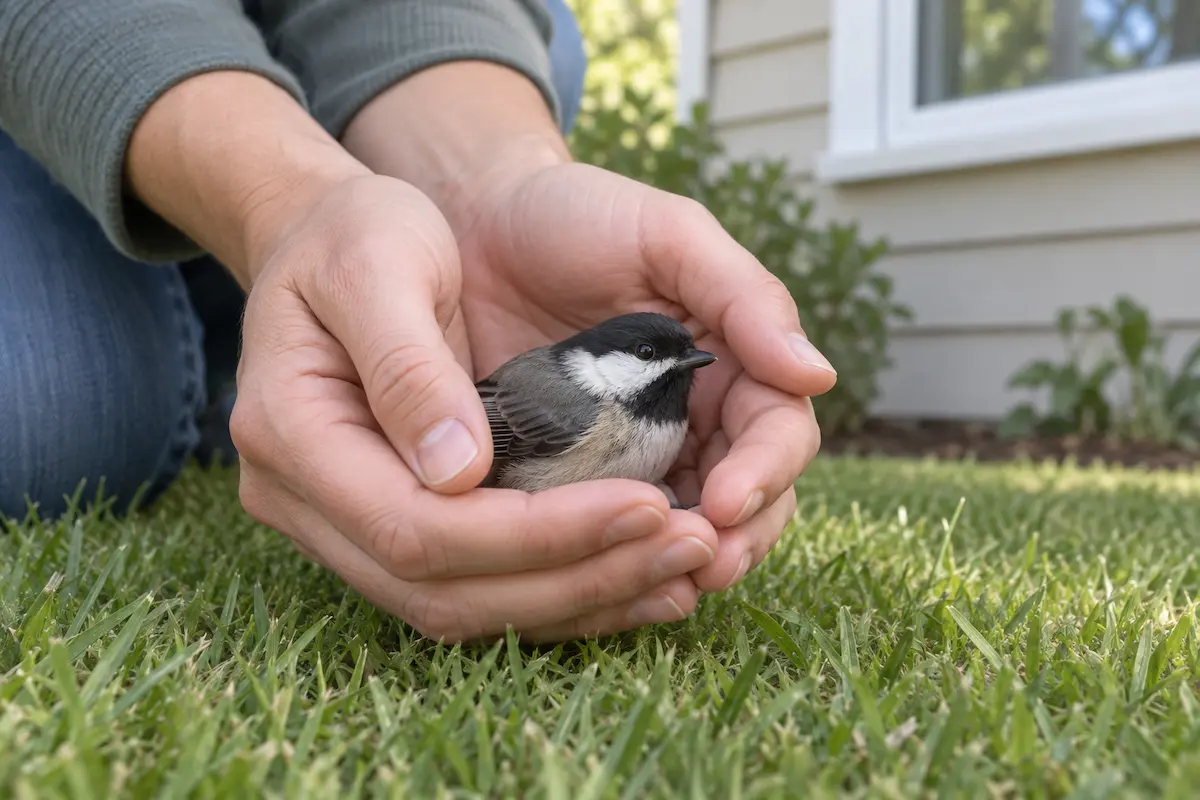
- Contain it gently. Approach from behind and cover the bird with both hands. Small birds are fragile, so hold it gently but securely without closing your fingers tightly around its body. It may flutter or call out.
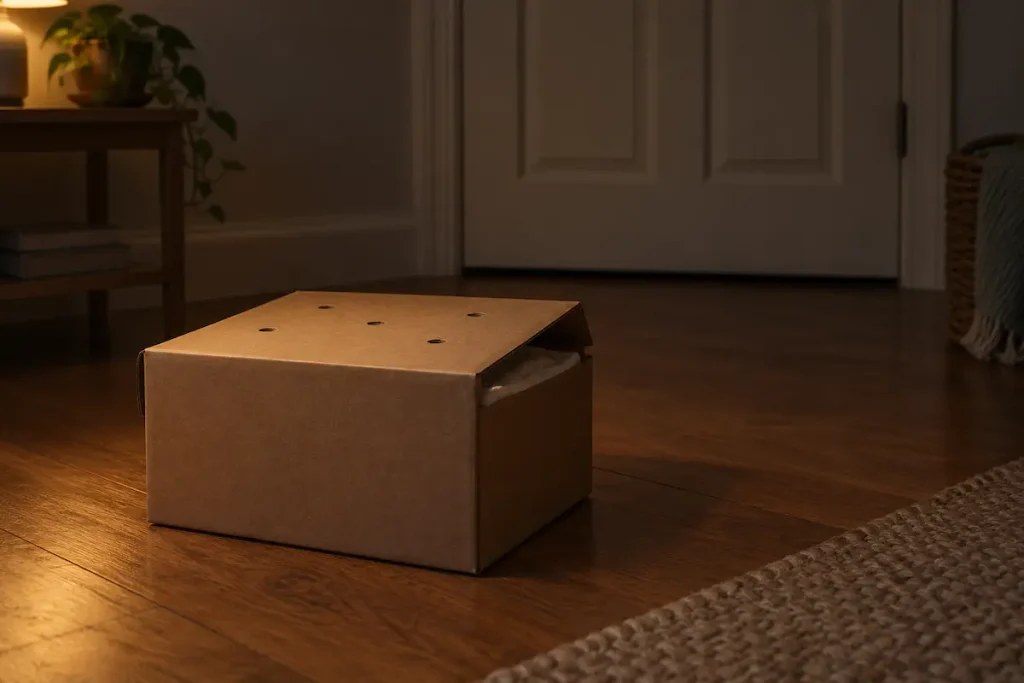
- Use a paper bag or small box. An unwaxed paper bag or a small cardboard box lined with tissue or paper towel gives the bird something to grip. Close it and keep it somewhere dark, quiet, and warm, away from children and pets.
- Leave it alone. Do not handle it again, and do not offer food or water. A wild bird may see people as predators, so extra contact adds stress.
- Call a wildlife rehabilitator. Find a rehabber near you and ask for instructions. If you cannot transport the bird, tell them; they may have other options.
- Release only if they tell you to. If the facility advises a release, take the bird to suitable habitat away from buildings, point the open container toward vegetation from a short distance, and watch how it flies. If it does not fly well, recapture it and contact the facility again.
Making That Window Readable to Birds
The reflection that fooled this bird is still in the glass. Cornell suggests starting outside: look at the glass from a bird’s point of view. If you can see branches or sky reflected in it or through it, so can they.
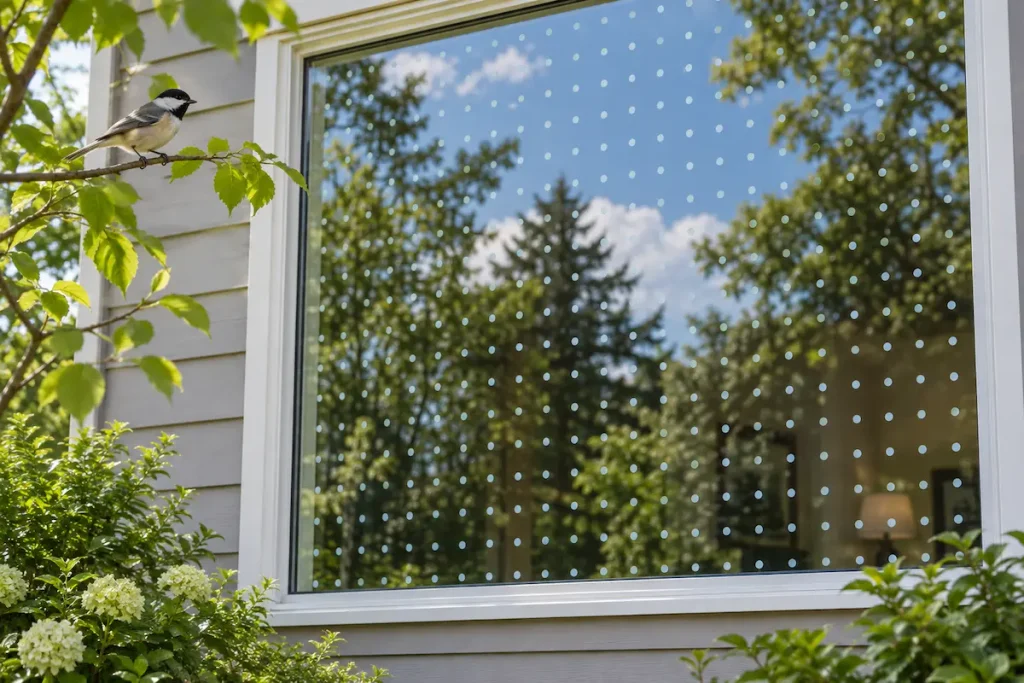
What works is breaking up the reflection across the whole outer surface:
- Markings spaced 2 inches apart. Decals, tape, dots, soap, or tempera paint should be applied to the outside of the glass and spaced uniformly about 2 inches apart, which Cornell says protects even the smallest birds. The FWS gives the same rule as patterns at least ¼ inch in diameter, placed no more than 2 inches apart.
- Hanging cords. Closely spaced paracord hung over the window can be placed about 4 inches apart because the cords are more visible. Cornell uses them at its own headquarters.
- Outside screens. Insect screens are very effective as long as they sit on the outside and cover the entire pane.
- One-way film. Some films let you see out while making the glass look opaque from outside.
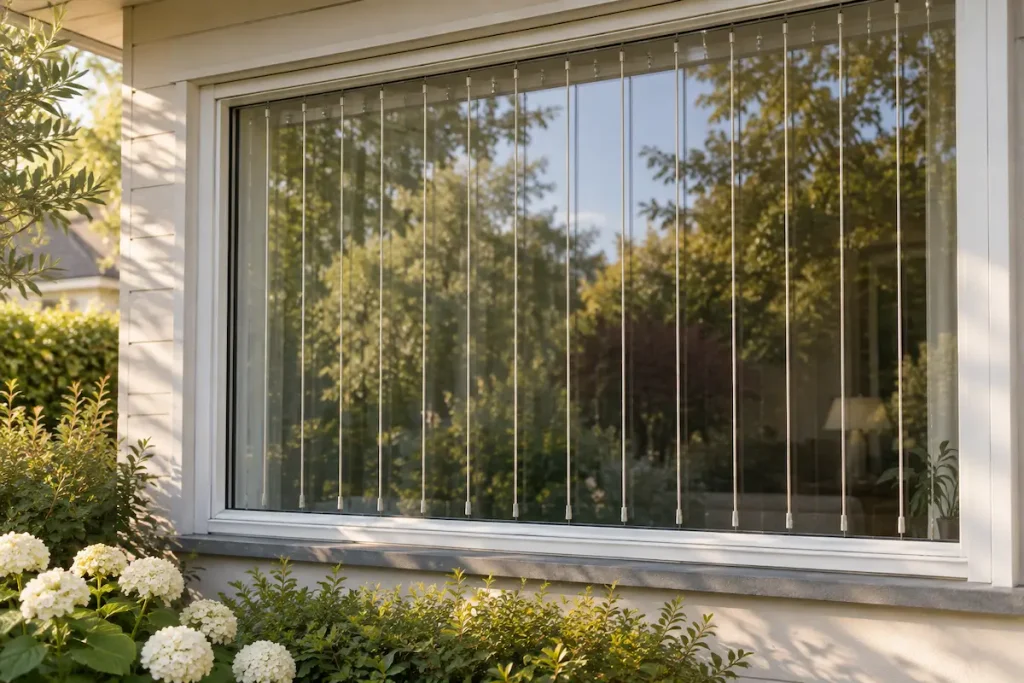
Two common fixes do much less than people expect. Cornell notes that hawk silhouettes do little to deter birds, and that one or two stickers on a large window will not prevent collisions; the markings need to cover most of the glass with gaps too narrow to fly through. The old advice about keeping feeders a certain distance from windows is also no longer considered valid. Christine Sheppard of the American Bird Conservancy, quoted by Cornell, recommends making windows near feeders bird-friendly instead of worrying about the distance. The FWS adds one step that has nothing to do with the glass: minimizing artificial light at night, since most birds migrate after dark and lit buildings can draw them in.
So when a bird hit your window, the moment carried two kinds of meaning at once. One is a documented superstition that read any bird at the glass as a warning, a belief rather than a demonstrated prediction. The other is concrete: a reflection in that pane looked like trees or sky, and it will keep looking that way until the glass is treated. The first you can take or leave. The second is the part of the moment you can still act on, for the stunned bird and for the next one.




Alex Turner
Alex Turner is the editorial pen name used for articles published on Signs of Universe. The website covers dreams, symbolism, and cultural interpretations for informational and reflective purposes. Alex Turner is not a medical, mental health, scientific, or spiritual authority.