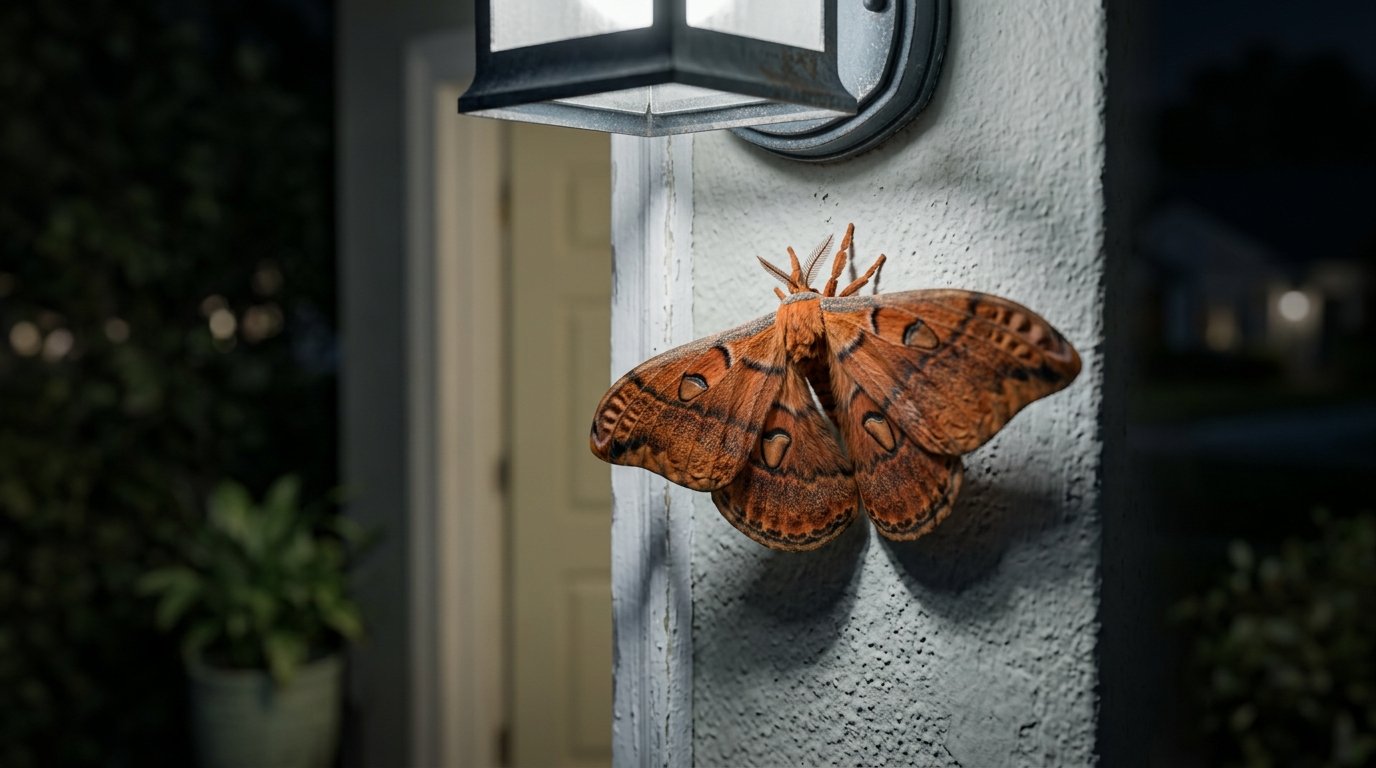
Butterfly Landing on You: Spiritual Meaning and Colors
When a butterfly lands on you, it is commonly interpreted as a symbol of transformation, hope, renewal, or a connection with someone you have lost. There is also an ordinary biological explanation: butterflies may seek salt, minerals, warmth, or a safe place to rest. The encounter can feel meaningful without being treated as proof of a supernatural message.
Why Butterflies Land on People
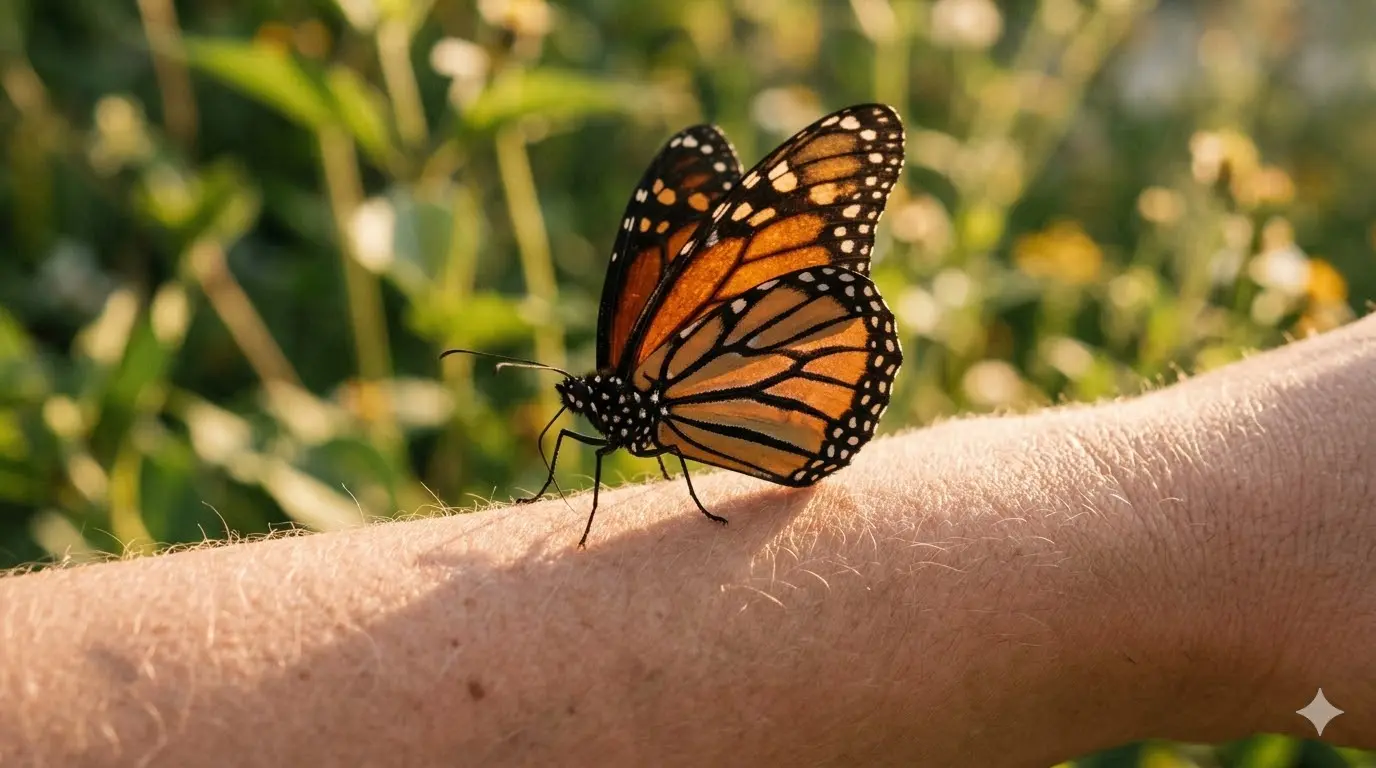
Butterflies actually do land on people for a documented reason: a behavior called puddling, where they seek out sodium and minerals that are scarce in their usual diet of nectar. Human skin — especially if it’s slightly salty or sweaty — is a real source of that. Butterflies are also ectothermic, meaning they rely on outside heat to regulate their body temperature, so a warm arm on a cool morning is genuinely appealing to one on a purely biological level. This is well documented in lepidopterology, the study of butterflies and moths.
None of that erases the moment. The mechanism explains why a butterfly can land on a person; it doesn’t explain why it happened to you, on that day, in the middle of whatever you were thinking about. That part stays yours to interpret.
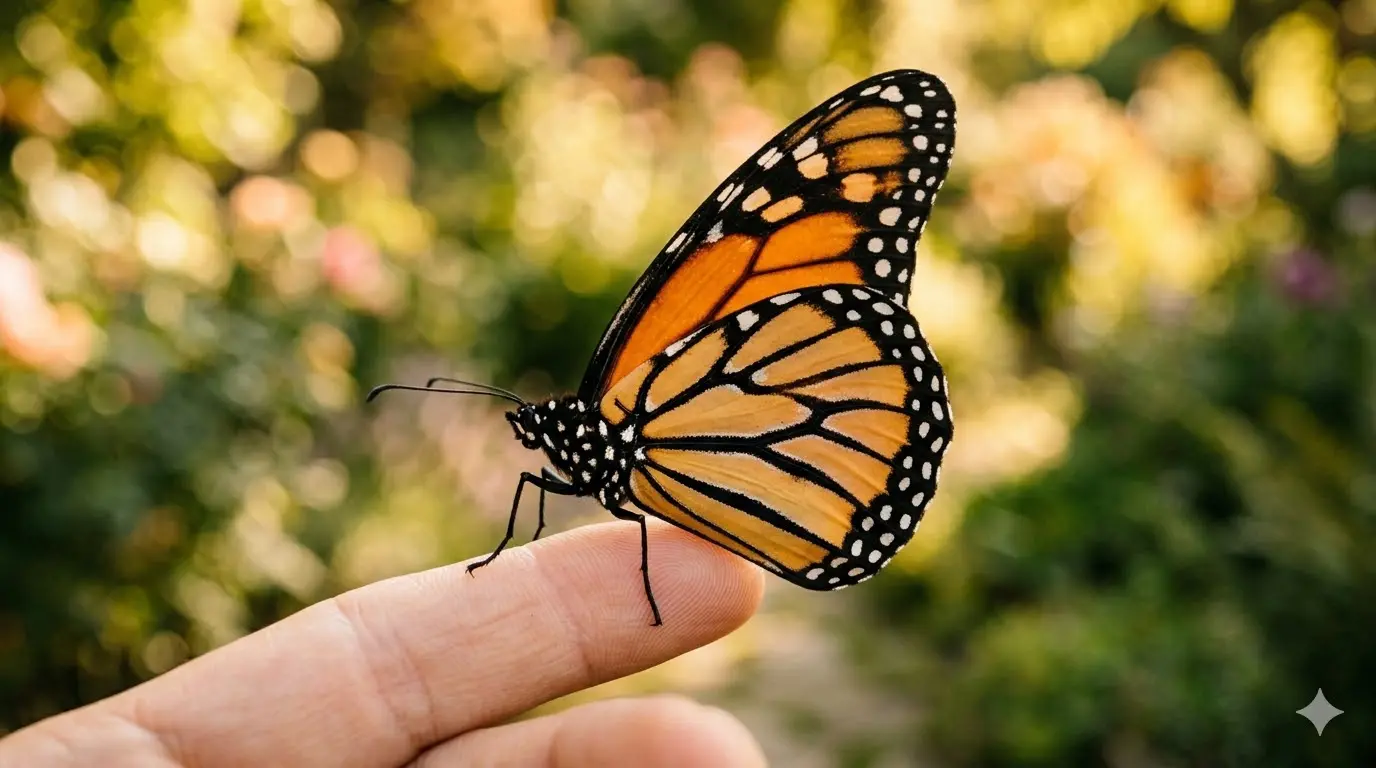
Why Butterflies Symbolize Transformation and the Soul
The butterfly’s symbolism rests on something biologically real: it dissolves almost entirely inside a chrysalis and reassembles into something that doesn’t resemble what went in. Cultures with no contact with each other landed on strikingly similar readings of that process. In ancient Greece, the word psyche meant both “butterfly” and “soul” — the same word, no distinction — and depictions of the soul leaving the body were often given butterfly wings, including the goddess Psyche herself. That’s not a metaphor added later; the language treated them as the same idea from the start.
If It Happened After a Loss
This is the reading that carries the most weight for most people, and it isn’t a modern invention. In Irish Celtic tradition, white butterflies specifically were believed to carry the souls of the dead — taken seriously enough that Ireland once had laws protecting white butterflies from harm. A butterfly landing during a funeral, on a birthday of someone who died, or in a quiet moment of grief gets read through that same lens across many traditions: not proof of anything, but a widely and anciently held idea that the connection didn’t end, it changed form.
If It Happened Mid-Decision
Several Native American traditions treat the butterfly as an active messenger rather than a passive symbol. The Blackfoot associated butterflies with dreams and visions; Hopi ceremonies tie butterflies directly to transformation and prayer. A butterfly landing while you’re weighing a decision — rather than during a quiet, uneventful moment — tends to get read as confirmation rather than a general blessing: less “something good is coming” and more “the direction you’re already leaning is the one to trust.”
Does the Color Actually Change Anything?
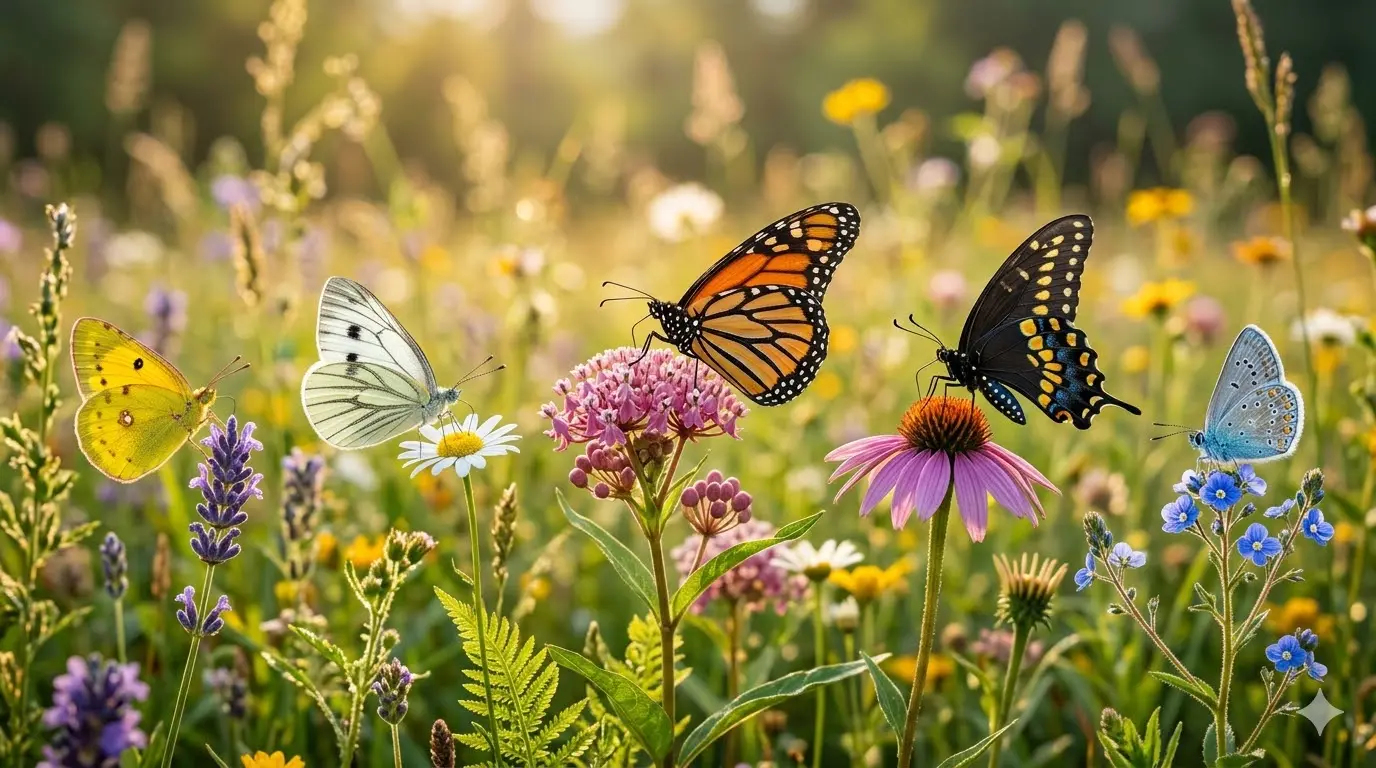
Color adds a real layer, on top of context rather than instead of it. White ties most directly to the grief reading above. Yellow leans toward ease and a lighter period following a harder one. Black gets misread as a bad sign more than any other color, when the more common reading treats it as a marker of an ending that’s necessary, not punitive. Blue butterflies are genuinely rare in nature, which is most of why an encounter with one feels more charged than the others — rarity doing as much work as symbolism. Orange is tied to energy returning after a flat or hesitant period, and across China and Japan specifically, a butterfly landing on someone is read plainly as good fortune, with little of the heavier undertone found in Celtic or Greek tradition.
If It Landed on Your Head
Placement matters more than most people expect. A butterfly on the hand or arm is the ordinary version of this encounter. One on the head is rarer and, in traditions that associate the head with thought and consciousness, gets read as pointed specifically at your thinking — less “something is coming” and more “pay attention to what you already know.” In Japan, a butterfly entering a home rather than landing outdoors carries its own separate reading, tied to an important visitor or a returning spirit rather than a personal message to one individual.
If It Happens More Than Once
A repeat encounter — the same day, the same week, a butterfly that returns after flying off — reads as the same message with the volume turned up, not a new one. Practically, it can also mean you’re simply in an environment with more of them, or that one specific butterfly has identified you as a mineral source and is returning for exactly that reason. Both things can be true. If it happens repeatedly, the more useful move is the same as with any recurring sign: write down what was happening in your life each time it did, rather than trying to extract a bigger meaning from the repetition itself.
A similar transformation symbol shows up in dragonfly symbolism, particularly when the sign arrives during emotional stress rather than a calm moment.
The interpretations here draw on documented folklore, etymology, and cultural traditions. They’re offered as reflective possibilities, not as fact, prediction, or a substitute for your own judgment about what a moment meant to you.
Related reading: Black Crow at Your Window at Night and Spiritual Meaning of a Cat Staring at You.




Alex Turner
Alex Turner is the editorial pen name used for articles published on Signs of Universe. The website covers dreams, symbolism, and cultural interpretations for informational and reflective purposes. Alex Turner is not a medical, mental health, scientific, or spiritual authority.