The Emotional Meaning of Physical Pain: What Your Body Might Be Reflecting
You lie down after an ordinary day, and a knot of tension settles into your shoulders or your back. There was no injury, no heavy lifting, and yet the discomfort is there. The emotional meaning of physical pain is something many people quietly wonder about when a purely physical cause cannot be found.
Before anything else, one thing has to be said clearly, because it matters: physical pain should always be checked by a doctor first. Pain can have real medical causes, and those deserve proper evaluation. This article is not medical advice and does not try to explain or diagnose your pain. What it offers is a gentle, reflective question that many spiritual and emotional traditions have asked for a long time: alongside the physical, might the body also be carrying something emotional?
That question is not a replacement for medicine. It is simply another, softer lens, for moments when the physical side has already been looked at.
The Old Idea That Body and Feeling Are Connected
We are often taught to treat the body and the mind as two separate rooms. But many traditions, and many ordinary people, have long sensed that they are deeply connected.
When life feels heavy, the body often seems to feel it too. Stress, worry, and grief are frequently described as something we carry physically, not just mentally. You have probably heard people say they feel the “weight of the world on their shoulders,” or that something is “a pain in the neck,” or that heartbreak feels like pressure in the chest. These everyday phrases hint at a connection people have noticed for centuries.
None of this means an emotion is literally creating an injury. It simply reflects a common human experience: that how we feel inside and how our body feels can seem closely linked. Reliable health sources describe how stress and strong emotion can show up as muscle tension and discomfort, which is part of why this connection feels so real to so many people.
A Reflective Look at Where Tension Tends to Gather
This is the part to read gently, and never as a diagnosis. Across various reflective and spiritual traditions, people have noticed that different areas of the body seem to hold different kinds of emotional weight. These are symbolic associations people find meaningful, not medical facts. If you have real pain in any of these areas, a doctor is the one to see.
Shoulders and Neck: The Place Many Associate With Burden
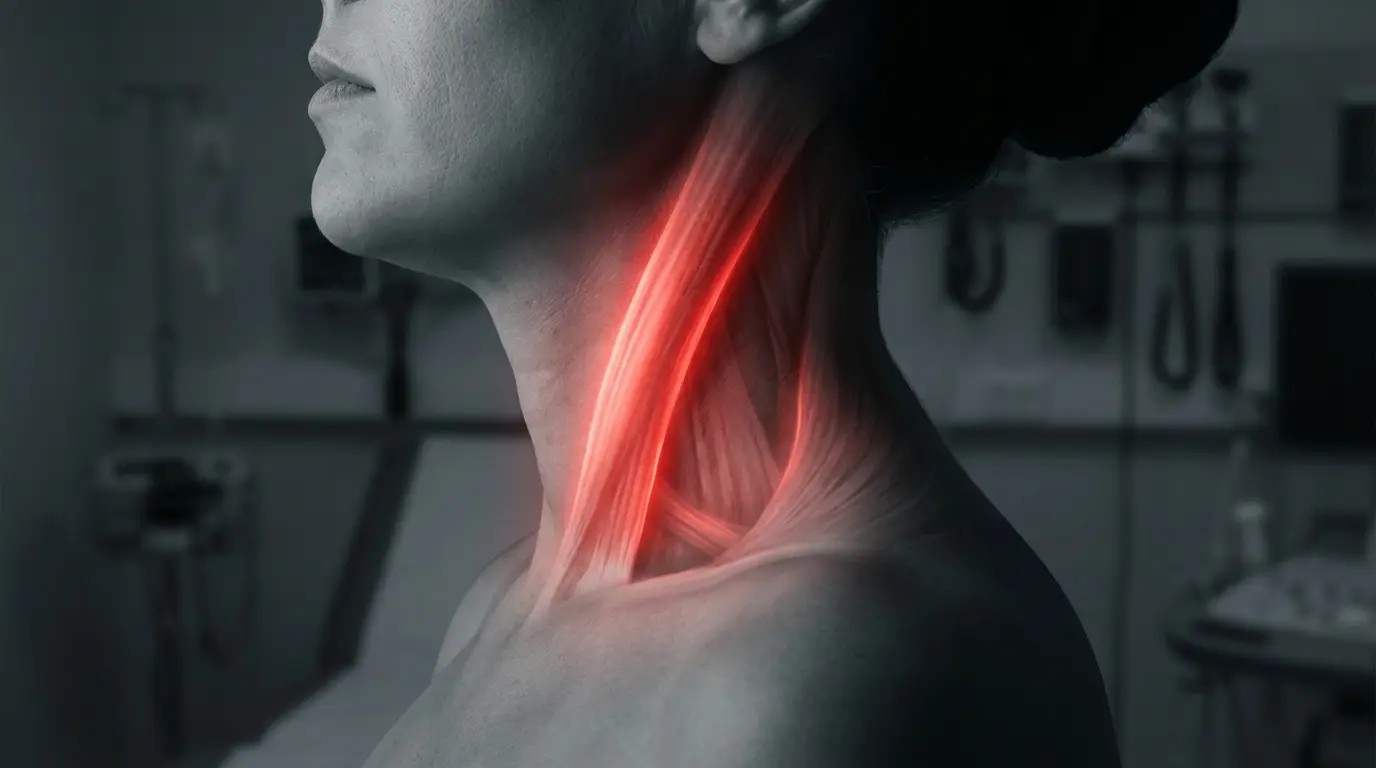
The shoulders and neck are where a lot of people say they “hold their stress.” Symbolically, this area is often linked to responsibility and the feeling of carrying too much. Many people who tend to over-manage everything, or feel responsible for keeping everyone else afloat, describe tension settling here. As a reflection, it can be an invitation to ask: what am I carrying that I might be allowed to set down?
Lower Back: The Place Many Associate With Support
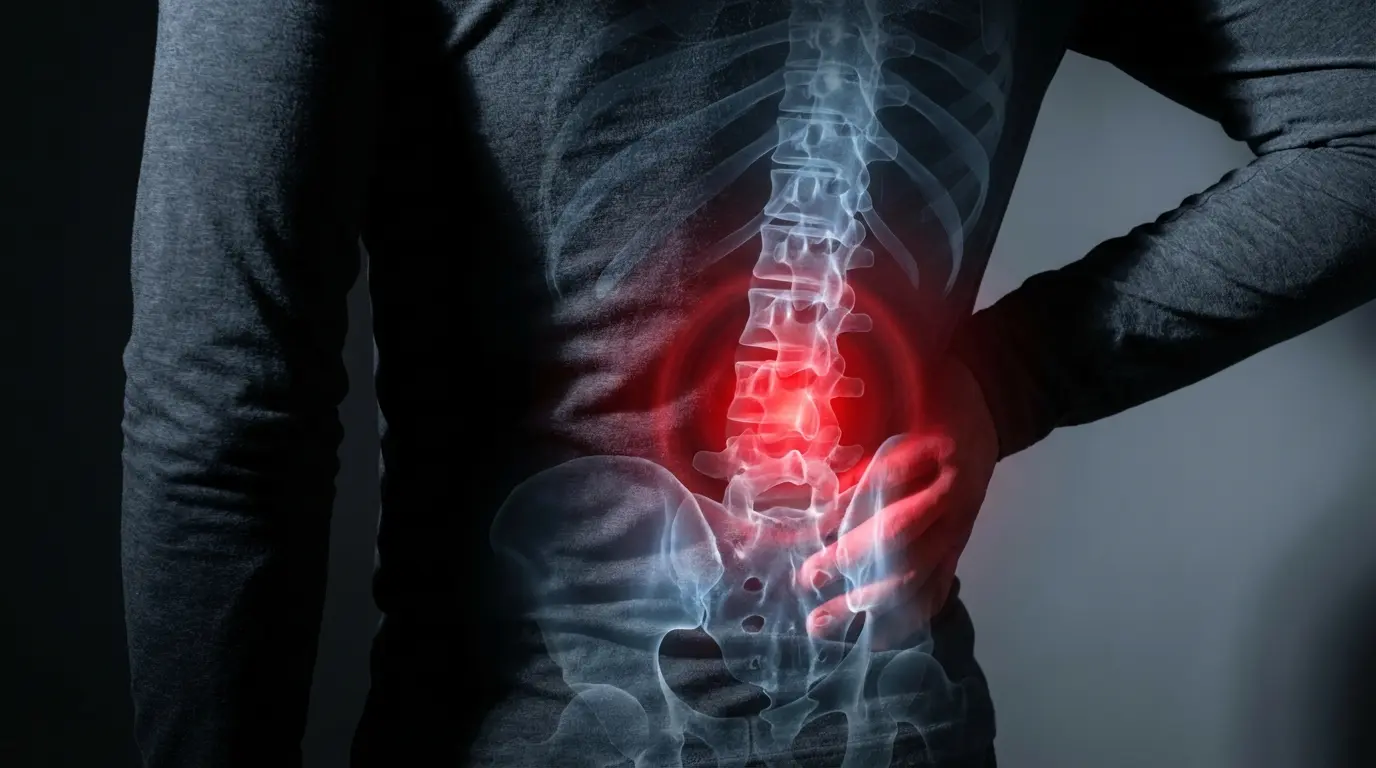
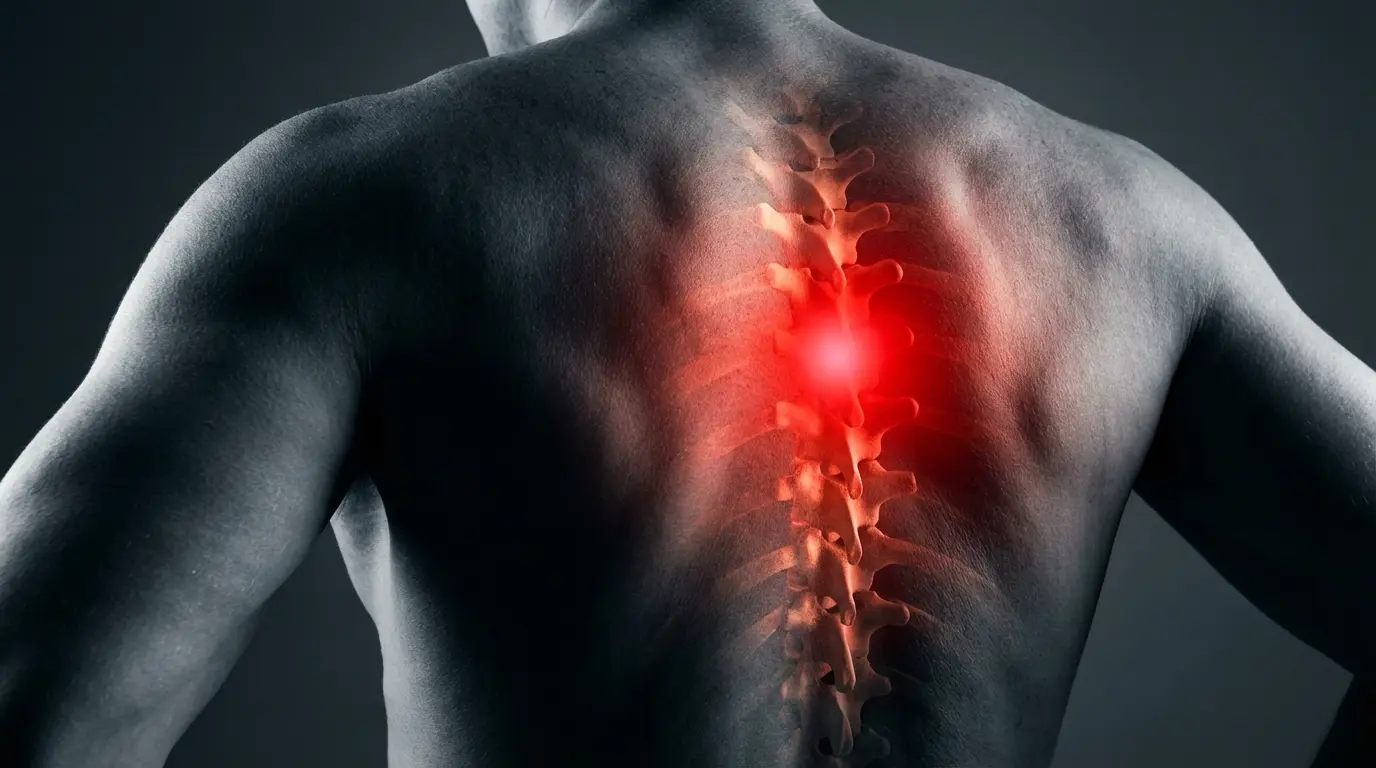
The lower back is the body’s foundation, so it is often symbolically tied to feelings of security and support. Some people notice that times of financial worry, instability, or feeling unsupported seem to coincide with tension here. Again, this is a reflective association, not a cause. Lower back pain very often has physical causes and should be checked. But as a gentle question, it can prompt: where in my life do I feel unsteady, and what would help me feel more held?
Chest and Ribs: The Place Many Associate With Grief
Chest tightness frightens people, and rightly so, which is exactly why chest pain must always be evaluated by a doctor without delay. Setting the essential medical side aside, many emotional traditions describe the chest as the place where sadness and grief are felt. People often say heartbreak sits “in the chest.” As a reflection, once any medical concern has been ruled out, some find it meaningful to ask whether there is a grief they have not let themselves fully feel.
Gentle Ways to Care for Yourself
Because this is reflective and not medical, the kindest next steps are gentle ones, the kind that support your wellbeing without claiming to fix anything. None of these replace seeing a professional.
Let Yourself Slow Down
When the body feels tense, slowing down genuinely helps many people. Gentle, slow breathing, a quiet walk, time in nature, or simply a few minutes without your phone can ease the sense of being wound tight. These are not cures, but many find they bring some relief and calm. Some people notice this kind of bodily heaviness alongside a deeper tiredness, the way many describe feeling tired for no clear reason.
Notice the Connection Without Judgment
Some people find it helpful to simply notice when tension tends to appear. Does your neck tighten before a stressful meeting? Does your chest feel heavy on a particular anniversary? Noticing the pattern, with curiosity rather than alarm, can be a gentle form of self-awareness. There is no need to force an interpretation.
Reach for Real Support
If the discomfort is persistent, severe, or worrying in any way, please see a doctor. And if you sense that stress, anxiety, or grief is weighing on you, a therapist or counselor can offer real support. Caring for the emotional side and the physical side together, with proper guidance, is the steadiest path. For trustworthy information on how stress and emotion can affect the body, sources like MedlinePlus offer clear, plain-language guidance.
FAQ — The Emotional Meaning of Physical Pain
Can stress and emotion really affect how the body feels?
Many people experience a clear link between emotional stress and physical tension, such as a tight neck, headaches, or a heavy chest. Reliable health sources describe this connection. It is real and common, but it does not replace a medical check. Any persistent or severe pain should be evaluated by a doctor.
How do I know if my pain is physical or emotional?
This is exactly the kind of question only a healthcare professional can answer properly. This article cannot tell you, and it would not be safe to guess. The right first step is always a medical evaluation. From there, if stress or emotion seems to play a role, a doctor or therapist can help you understand it.
Is it harmful to think of pain as “emotional”?
It can be, if it leads someone to skip medical care. That is why the order matters: see a doctor first. Thinking about the emotional side is meant as a gentle, additional reflection, never as a reason to avoid having real pain checked.
What can I do to feel a little better right now?
Gentle, supportive things tend to help: slow breathing, a short walk, rest, time outdoors, and reaching out to someone you trust. If the pain is significant or you are worried, contact a healthcare provider. Your wellbeing is worth taking seriously.
What the Body Carries, the Heart Often Knows
The idea that the body and our emotions are connected is an old and very human one. Many people genuinely feel that what they carry inside shows up in how their body feels. As a reflection, that can be a gentle and meaningful thing to sit with.
But reflection is not diagnosis, and a blog is not a doctor. If you are in pain, please have it looked at properly. And if you are carrying something heavy emotionally, you deserve real support for that too. Caring for both, in the right order and with the right help, is the kindest thing you can do for yourself.
This article offers a symbolic and reflective perspective on the connection between emotion and the body. It is not medical advice and is not a substitute for professional evaluation. Severe, persistent, or sudden physical pain should always be checked by a physician to rule out medical causes. If you are struggling emotionally, please reach out to a qualified mental health professional.
Related reading: Right Eye Twitching Spiritual Meaning for Women and Men and Right or Left Ear Burning.



Alex Turner
Alex Turner is the editorial pen name used for articles published on Signs of Universe. The website covers dreams, symbolism, and cultural interpretations for informational and reflective purposes. Alex Turner is not a medical, mental health, scientific, or spiritual authority.